
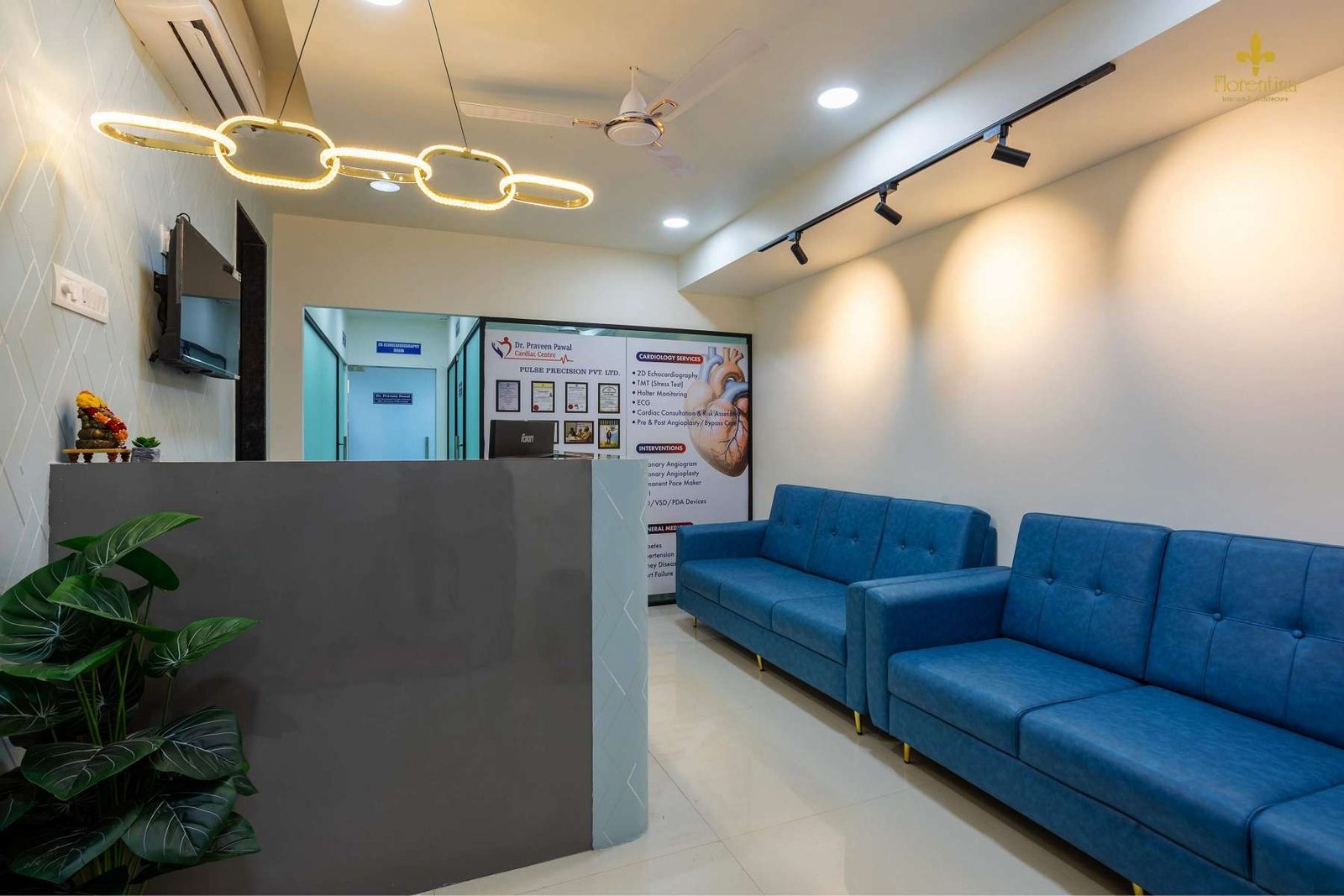
Modern workplaces are no longer designed simply around desks, chairs, and meeting rooms. Today, businesses are looking for commercial interiors that support productivity, employee well-being, collaboration, flexibility, and brand identity. A thoughtfully designed workspace can influence how employees work, how clients perceive a company, and how efficiently a business uses its available space.
At Florentina Interiors, commercial interior design focuses on creating spaces that combine functionality, aesthetics, and practical business requirements. From office planning and interior fit-outs to customized commercial environments, the right design approach can transform an ordinary workplace into an inspiring and efficient destination.
Here are 10 commercial interior design trends for modern workspaces that businesses can consider for their next office transformation.
1. Flexible and Adaptable Workspaces
Flexibility has become one of the most important elements of modern office design. Businesses need spaces that can accommodate different work styles, team sizes, and activities.
Instead of assigning every employee a permanent workstation, modern offices are incorporating flexible seating, collaborative zones, breakout areas, and multipurpose rooms. Movable furniture and modular partitions can also make it easier to reorganize the workspace as business requirements change.
A flexible layout allows companies to make better use of available floor space while creating an environment that supports both individual and team-based work.
2. Biophilic Commercial Interior Design
Bringing elements of nature into the workplace is becoming increasingly popular. Plants, natural materials, indoor greenery, natural textures, and access to daylight can make commercial interiors feel more comfortable and welcoming.
Biophilic design can be introduced through indoor plants, wooden finishes, stone textures, green walls, natural fabrics, and large windows that maximize daylight.
For modern offices, these elements can help create a visually refreshing environment while adding warmth to otherwise highly functional spaces.
3. Technology-Integrated Office Interiors
Technology is now an essential part of almost every workplace, making technology integration an important commercial interior design consideration.
Modern offices can incorporate smart meeting rooms, video conferencing systems, wireless charging stations, integrated displays, automated lighting, access-control systems, and efficient cable management.
Rather than allowing technology to dominate the design, commercial interior designers can integrate these systems into furniture, ceilings, walls, and meeting spaces for a cleaner and more professional appearance.
4. Collaborative Work Zones
The traditional office layout often separates employees into individual cabins or fixed workstations. Modern workspace design is moving toward environments that encourage communication and collaboration.
Dedicated collaboration zones can include informal meeting areas, brainstorming spaces, shared tables, lounge seating, and small discussion rooms.
These areas give employees alternatives to traditional conference rooms and can make spontaneous discussions and teamwork easier.
5. Wellness-Focused Workplace Design
Employee well-being has become an important consideration in commercial interior design. A thoughtfully planned office can support comfort, concentration, movement, and relaxation throughout the working day.
Ergonomic furniture, comfortable seating, appropriate lighting, acoustic control, ventilation, breakout areas, and relaxation zones can contribute to a more employee-friendly workplace.
Wellness-focused design does not necessarily require a large investment. Even small improvements in seating, lighting, space planning, and natural elements can make a noticeable difference.
6. Acoustic Design for Better Productivity
Open-plan offices can encourage collaboration, but excessive noise can affect concentration. As a result, acoustic design is becoming a key feature of modern commercial interiors.
Acoustic panels, upholstered furniture, carpets, partitions, ceiling treatments, and enclosed focus rooms can help manage unwanted noise.
A successful office design should balance collaboration with quiet areas where employees can focus without constant distractions.
7. Minimalist and Functional Aesthetics
Modern commercial interiors are increasingly embracing clean lines, uncluttered layouts, practical furniture, and carefully selected materials.
Minimalist design does not mean creating a completely empty workspace. Instead, it focuses on using every element purposefully.
A restrained material palette, smart storage, concealed wiring, integrated furniture, and simple architectural details can create a professional workspace that looks sophisticated without becoming visually overwhelming.
8. Brand-Focused Interior Design
An office is also an opportunity to communicate a company’s identity. Commercial interior design can incorporate brand colours, logos, graphics, materials, artwork, and customized architectural elements to create a distinctive environment.
Reception areas are particularly important because they create the first impression for visitors and clients. Meeting rooms, employee areas, and common spaces can also reflect the organization’s culture and values.
When branding is integrated thoughtfully, the workplace becomes more than an office—it becomes a physical representation of the business.
9. Sustainable Materials and Energy-Efficient Design
Sustainability is becoming an important part of modern commercial construction and interior design. Businesses are increasingly considering environmentally responsible materials and energy-efficient solutions.
Commercial interiors can incorporate sustainable materials, energy-efficient lighting, low-maintenance finishes, natural ventilation, durable furniture, and efficient space planning.
Sustainable design can also contribute to long-term operational efficiency by reducing unnecessary energy consumption and minimizing frequent replacements.
10. Multipurpose Spaces for Hybrid Work
Hybrid working has changed how businesses think about office space. Modern workplaces need to support employees who may work from the office, remotely, or through a combination of both.
Multipurpose spaces can serve as meeting rooms, training areas, presentation spaces, brainstorming zones, or temporary work areas depending on business requirements.
Flexible furniture, movable partitions, integrated technology, and adaptable layouts can help companies maximize the value of every square foot.
Why Commercial Interior Design Matters for Modern Businesses
A commercial interior is not only about appearance. It needs to support the way a business operates.
Effective space planning can improve movement throughout the workplace, create better collaboration opportunities, strengthen brand identity, and make the office more comfortable for employees and visitors.
For businesses planning an office renovation, new workspace, retail environment, or commercial fit-out, working with an experienced interior design team can help balance aesthetics, functionality, budget, and long-term requirements.
Creating Modern Workspaces with Florentina Interiors
At Florentina Interiors, commercial interior design combines creativity with practical space planning and project execution. The team works to create interiors that reflect each client’s business requirements while maintaining a balance between functionality and contemporary aesthetics.
Whether you are planning a corporate office, commercial property, retail space, or interior fit-out, a carefully developed design can help you make the most of your available space.
For businesses looking for commercial interior design in Pune, areas such as Baner, Balewadi, Aundh, Hinjewadi, Wakad, and Pashan, modern workplace design can provide a strong foundation for a productive and professional environment.
Final Thoughts
The future of commercial interior design is focused on creating workplaces that are flexible, technology-enabled, sustainable, comfortable, and aligned with the identity of the business.
From biophilic elements and collaborative zones to acoustic solutions and hybrid-work environments, these trends demonstrate how modern offices are evolving beyond traditional layouts.
The right commercial interior design can transform a workspace into an environment where people can collaborate, concentrate, connect, and perform at their best.