
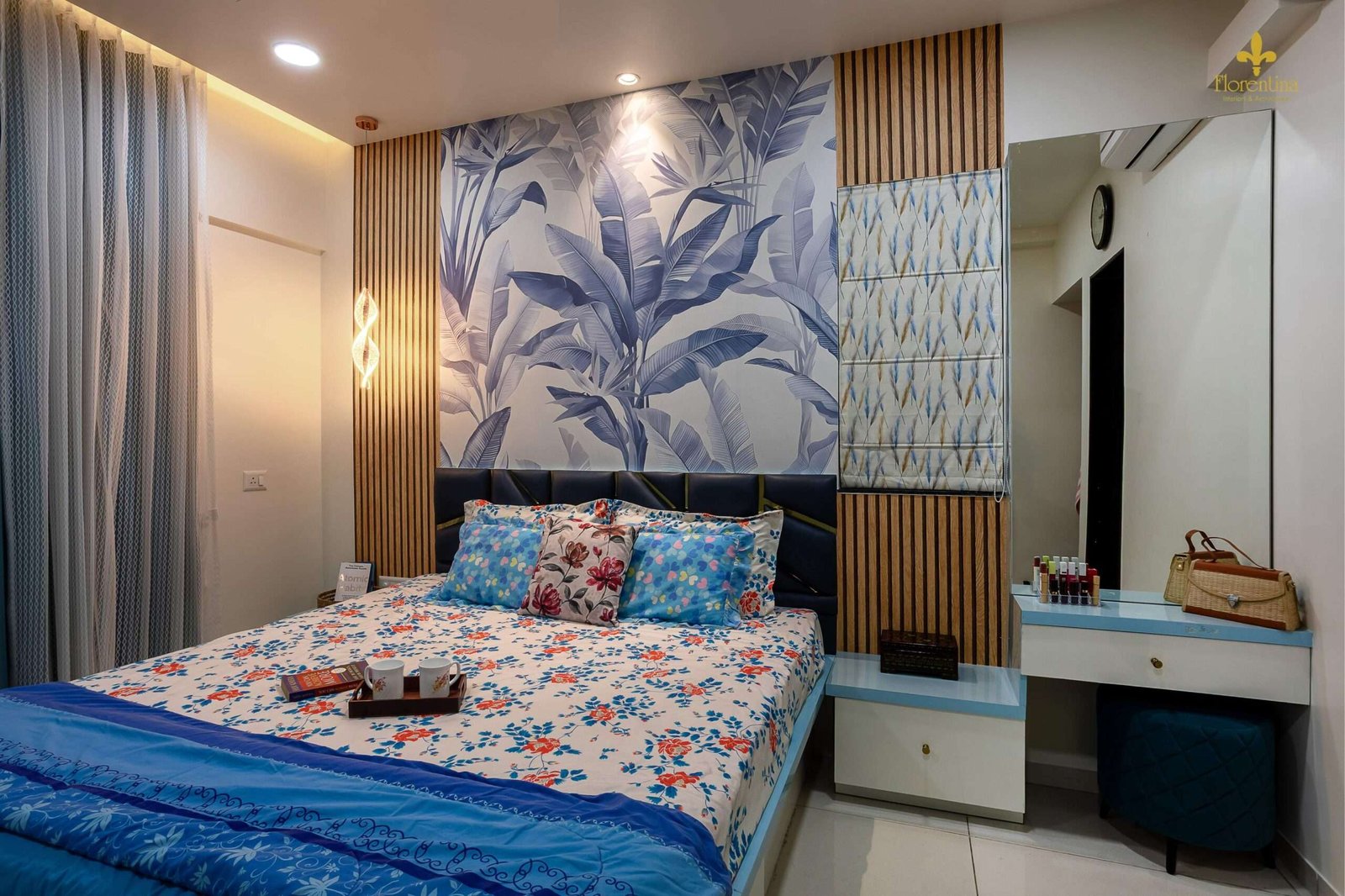
A beautiful home should not only look impressive but also make everyday life easier. The best interiors are designed around both functionality and aesthetics, creating spaces that are comfortable, practical, organized, and visually appealing.
Whether you are designing a new apartment, renovating your existing home, or planning a complete interior transformation, balancing these two elements can make a significant difference. A well-designed home should support your lifestyle while reflecting your personality and design preferences.
At Florentina Interiors, we believe that effective interior design combines thoughtful planning, functionality, aesthetics, and personalized solutions to create harmonious living spaces.
What Is Functional and Aesthetic Home Design?
Functional design focuses on how effectively a space works for everyday activities. It considers furniture placement, storage, movement, lighting, electrical requirements, room layouts, and the specific needs of the people living in the home.
Aesthetic design focuses on the visual character of the space, including colours, textures, furniture styles, materials, lighting fixtures, décor, and overall design themes.
When these two aspects are planned together, a home can be both beautiful and practical.
1. Start With Smart Space Planning
The foundation of a functional and attractive home is proper space planning.
Before selecting furniture, colours, or decorative elements, consider how each room will be used. Identify the areas required for movement, storage, seating, work, entertainment, and other daily activities.
For example, a living room should have enough seating without becoming overcrowded. Similarly, a bedroom should provide comfortable furniture placement while maintaining sufficient walking space.
Good space planning helps create an interior that feels organized rather than visually cluttered.
2. Choose Furniture Based on Comfort and Style
Furniture plays an important role in combining functionality with aesthetics.
Instead of selecting furniture only because it looks attractive, consider its size, comfort, durability, storage capacity, and suitability for the room.
For compact homes, multifunctional furniture can be particularly useful. Storage beds, built-in seating, nesting tables, extendable dining tables, and modular furniture can provide practical benefits without compromising the overall design.
Choose furniture that complements your interior style while supporting the way you actually use the space.
3. Make Storage Part of the Design
Storage is one of the most important elements of functional home interiors.
Poorly planned storage can make even a beautifully designed home appear cluttered. Instead of adding storage as an afterthought, integrate it into the overall interior design.
Consider:
Built-in wardrobes
Modular kitchen cabinets
TV units with concealed storage
Full-height storage units
Under-bed storage
Floating shelves
Customized cabinets
Well-designed storage can keep everyday items organized while maintaining clean visual lines throughout the home.
4. Use Lighting to Improve Both Beauty and Function
Lighting can completely change the appearance and usability of an interior.
A successful lighting plan should combine different types of lighting depending on the purpose of each space.
Ambient lighting provides general illumination, while task lighting supports activities such as cooking, reading, studying, or working. Accent lighting can highlight artwork, architectural features, textured walls, or decorative elements.
Natural light should also be considered during the planning stage. Positioning furniture and selecting appropriate window treatments can help make better use of available daylight.
5. Select Materials That Look Good and Perform Well
Materials should be selected based on both appearance and practical performance.
For example, kitchen surfaces should not only complement the design but also be easy to clean and durable enough for everyday use. Similarly, flooring should suit the style of the home while being appropriate for the amount of traffic in each room.
When selecting materials, consider:
Durability
Maintenance requirements
Moisture resistance
Cleaning requirements
Texture
Colour
Overall visual appeal
The right materials can help create interiors that remain attractive and functional for years.
6. Create a Balanced Colour Palette
Colour is an important part of aesthetic interior design, but it can also influence how functional a space feels.
Light and neutral colours can make smaller rooms feel more open, while deeper shades can add warmth and character to larger spaces.
Instead of using too many colours, select a coordinated palette and introduce contrast through furniture, artwork, fabrics, lighting, or accessories.
A balanced colour scheme creates visual harmony without making the interior feel overwhelming.
7. Design Every Room Around Its Purpose
Each room should be designed according to the activities that take place there.
A modular kitchen requires efficient work zones and accessible storage. A bedroom should prioritize comfort and relaxation. A home office needs appropriate lighting, seating, storage, and electrical planning.
Understanding the purpose of each room allows you to make better design decisions while maintaining a consistent aesthetic throughout the home.
8. Keep Technology Integrated Into the Interior
Modern homes often require multiple electrical points, charging areas, entertainment systems, appliances, and smart-home devices.
Instead of allowing cables and devices to dominate the interior, technology can be integrated into the design.
Concealed wiring, built-in charging points, organized entertainment units, smart lighting, and automated systems can improve convenience while maintaining a clean and sophisticated appearance.
9. Add Personal Elements Without Creating Clutter
A home should reflect the personality of the people who live in it.
Artwork, photographs, plants, books, decorative accessories, statement furniture, and personal collections can add character to an interior.
However, personalization should be balanced. Too many decorative elements can make a space feel crowded.
Choose meaningful pieces and give them enough visual space so they can become part of the overall design rather than competing with it.
10. Think About Long-Term Functionality
A successful interior should work not only today but also as your lifestyle changes.
Think about future requirements when planning your home. Storage needs, family changes, work-from-home requirements, maintenance, and furniture flexibility can all influence long-term functionality.
Choosing timeless materials, adaptable furniture, and flexible layouts can help your interior remain useful and attractive for many years.
Common Mistakes to Avoid
When trying to combine functionality and aesthetics, homeowners often make a few common mistakes:
Choosing appearance over comfort
Buying furniture before measuring the space
Ignoring storage requirements
Using too many decorative elements
Selecting materials without considering maintenance
Overlooking lighting
Following trends without considering lifestyle
Creating beautiful layouts that restrict movement
The goal should not be to make every part of the home decorative. Instead, every design element should have a purpose while contributing to the overall visual character of the space.
Why Professional Interior Planning Matters
Combining functionality and aesthetics requires more than simply selecting attractive furniture and colours. It involves understanding space planning, materials, lighting, furniture proportions, storage, architecture, and the lifestyle of the homeowner.
Professional interior designers can help coordinate these elements from the initial concept through execution.
Florentina Interiors combines interior design with architectural principles to create spaces that are both functional and aesthetically pleasing. The company offers interior architectural designing, civil work and construction, and project management consultancy services. It also highlights personalized designs and 3D design as part of its approach.
Create a Home That Looks Good and Works Better
The best home interiors are not simply beautiful—they make everyday living more comfortable and convenient.
By combining smart space planning, functional furniture, integrated storage, appropriate lighting, durable materials, balanced colours, and personal design elements, you can create a home that works for your lifestyle while maintaining a sophisticated appearance.
Whether you are designing a new home or renovating an existing space, the right balance between functionality and aesthetics can transform an ordinary interior into a comfortable and personalized living environment.
Planning your home interiors in Pune? Florentina Interiors can help you create a thoughtfully designed space that combines functionality, aesthetics, and your personal style.