
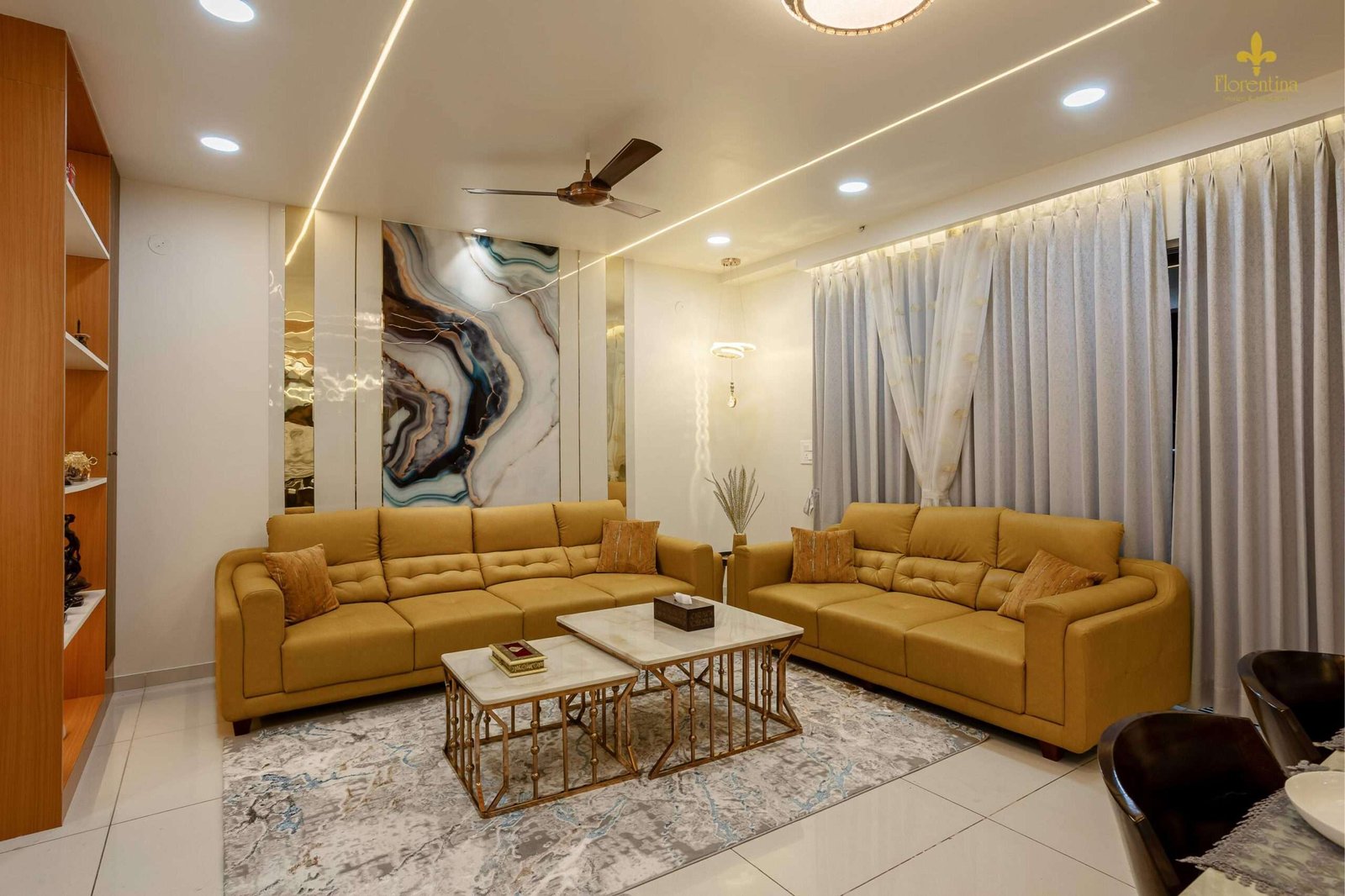
Planning your home interiors is an exciting step, but managing the budget can become challenging without proper preparation. From furniture and flooring to lighting and construction, multiple expenses can affect the overall project cost.
For homeowners planning home interior design in Baner, Pune, creating a realistic budget helps prioritize essential requirements, compare quotations, and reduce the risk of unexpected expenses. With careful planning and professional guidance, you can create a stylish and functional home while keeping your spending under control.
1. Define Your Interior Design Requirements
Start by identifying what you need for each room. Decide whether your project includes a modular kitchen, wardrobes, false ceilings, lighting, furniture, painting, or complete home interiors.
Separate essential requirements from optional upgrades. For example, functional storage and electrical work may take priority over decorative wall panels or premium accessories.
A clear list helps you allocate funds according to your priorities and avoid unnecessary purchases during execution.
2. Establish a Realistic Budget
Before starting the project, determine how much you can comfortably invest in your interiors.
Divide the budget into categories such as:
- Design and planning
- Civil work and construction
- Kitchen and wardrobe installation
- Flooring, painting, and ceiling work
- Electrical and plumbing work
- Furniture, lighting, and accessories
Keep a contingency reserve of around 10–15% of your estimated budget for unforeseen requirements. The appropriate amount depends on the property’s condition and project complexity.
3. Compare Quotations Carefully
When selecting an interior design company, do not compare quotations based on the final price alone. Check what each proposal includes and excludes.
Review material specifications, measurements, hardware quality, installation charges, labour costs, and payment milestones. A lower quotation may not cover all the work you need.
Request a detailed written estimate so you can understand the proposed scope and compare options fairly.
4. Choose Materials According to Your Needs
Materials significantly influence the cost, durability, and maintenance of home interiors.
You do not need to select the most expensive finishes for every room. Instead, invest in durable materials for frequently used areas and choose practical alternatives where appropriate.
Compare laminate finishes, plywood grades, hardware, flooring, and countertop options based on performance and maintenance requirements.
Finalizing material selections early also helps reduce delays and avoid costly last-minute changes.
5. Avoid Frequent Design Changes
Changes during construction can increase labour costs, material wastage, and project timelines.
Before execution begins, finalize the floor plan, furniture dimensions, electrical points, lighting arrangements, and major finishes wherever possible.
If you decide to make a change, ask for its cost and timeline implications before approving the work. Documenting changes helps maintain better control over your budget.
6. Track Expenses Throughout the Project
A budget should be monitored from the beginning until project completion.
Maintain a record of approved quotations, payments, material purchases, additional work, and outstanding balances. Review actual spending against your original estimate regularly.
Professional project coordination can help organize decisions, monitor progress, and identify potential budget issues before they become more difficult to manage.
Why Choose Florentina Interiors?
Florentina Interiors offers interior architectural designing, construction, and project management consultancy services for residential and commercial projects.
For homeowners planning interiors in Baner, Pune, coordinating design decisions, material selection, and execution can help create a more structured project process.
Explore the Interior Architectural Designing, Construction, and Project Management Consultancy services to learn more.
Conclusion
Creating a home interior budget without unexpected expenses begins with clear requirements, realistic cost estimates, careful material selection, and consistent expense tracking.
By planning ahead and avoiding unnecessary design changes, you can make informed decisions and work towards a home that balances comfort, functionality, and style.