
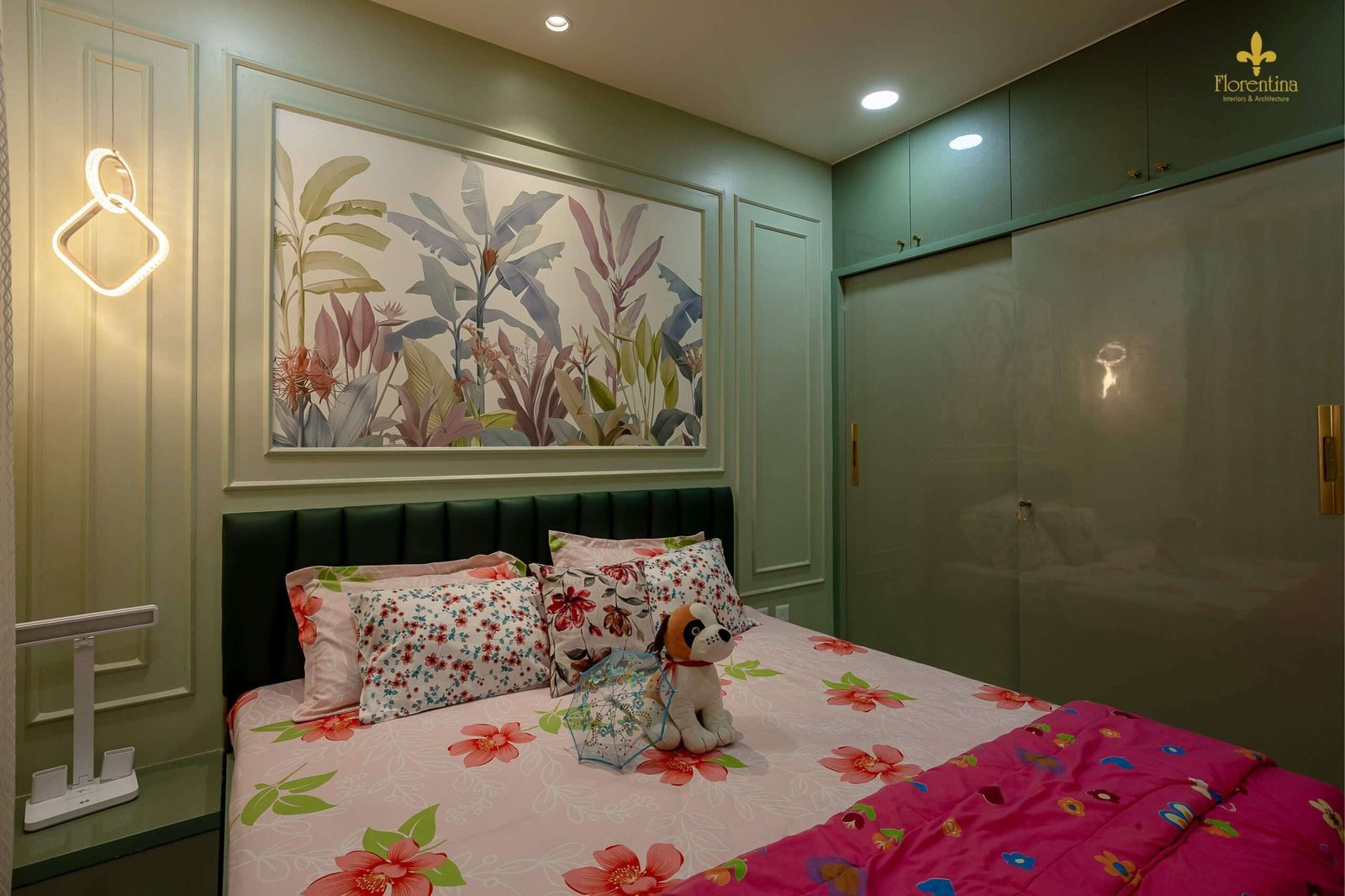
Designing your home is an exciting process, but making the wrong decisions during the planning or execution stage can affect both the appearance and functionality of your space. From choosing furniture without measuring the room to overlooking storage and lighting, small design mistakes can become expensive problems later.
A well-designed home should be more than visually attractive. It should be comfortable, practical, easy to maintain, and suited to the lifestyle of the people living in it.
Whether you are designing a new apartment, renovating your existing home, or planning a complete residential interior, avoiding common mistakes can help you achieve better results while staying within your budget.
Here are some of the most common interior design mistakes homeowners should avoid.
1. Starting Without a Proper Plan
One of the biggest mistakes homeowners make is starting the interior work without a detailed plan.
Choosing furniture, paint colors, false ceilings, or decorative elements before finalizing the layout can create coordination problems later. Every room should be planned according to its purpose, dimensions, movement, storage requirements, lighting, and electrical needs.
Before execution begins, prepare a clear design plan that covers:
Furniture placement
Storage requirements
Lighting
Electrical points
Wall treatments
Flooring
Ceiling design
Material selection
Color combinations
Proper planning creates a strong foundation for the entire interior project.
2. Choosing Furniture Without Measuring the Space
A beautiful sofa or dining table may look perfect in a showroom but may not work well in your home.
Buying furniture without checking room dimensions can result in overcrowding, blocked pathways, or insufficient movement space. This is especially important in apartments and compact homes where every square foot matters.
Always measure the room before purchasing furniture. Consider not only the furniture dimensions but also the space required for doors, windows, walking paths, and everyday movement.
3. Ignoring Storage Requirements
Storage is one of the most important aspects of a functional home, yet it is often considered only after the main design has been finalized.
Insufficient storage can quickly make an otherwise beautiful home look cluttered.
Think about your actual storage requirements before designing wardrobes, kitchen cabinets, TV units, shoe racks, lofts, and other storage areas.
Customized storage solutions can help make better use of available space while keeping everyday items organized and easily accessible.
4. Focusing Too Much on Trends
Interior trends can provide great inspiration, but following every trend can make your home look outdated after a few years.
Instead of designing your entire home around a temporary trend, use timeless materials, practical layouts, and neutral foundations. Trendy elements can then be introduced through cushions, artwork, accessories, lighting, or other replaceable décor.
The goal should be to create a home that remains attractive and functional for years rather than designing only for the current season.
5. Choosing Colors Before Considering Lighting
Paint colors can look very different depending on natural and artificial lighting.
A shade that looks warm and attractive in a showroom may appear completely different inside your home.
Before finalizing colors, consider:
Natural sunlight
Room orientation
Artificial lighting
Ceiling height
Room size
Furniture and flooring colors
Testing color samples under different lighting conditions can help homeowners make more informed decisions.
6. Underestimating the Importance of Lighting
Good lighting can completely transform the appearance and functionality of an interior.
A common mistake is relying only on one central ceiling light. Different areas of the home often require different types of lighting.
A balanced lighting plan can include:
Ambient lighting
Task lighting
Accent lighting
Decorative lighting
Under-cabinet lighting
For example, kitchens need effective task lighting, bedrooms benefit from softer illumination, and living rooms can combine ambient and accent lighting to create a comfortable atmosphere.
7. Neglecting Electrical Planning
Electrical points are often finalized too late, which can result in extension boards, visible wires, or inconvenient switch locations.
Electrical planning should happen during the design stage rather than after furniture installation.
Consider the location of:
TV units
Bedside tables
Kitchen appliances
Workstations
Charging points
Washing machines
Refrigerators
Decorative lighting
Air conditioners
Planning these requirements early can make the finished interior cleaner and more convenient.
8. Selecting Materials Only Based on Appearance
A material may look beautiful but may not always be suitable for a particular room or lifestyle.
When selecting materials, consider durability, maintenance, moisture resistance, cleaning requirements, usage, and long-term performance.
For example, kitchen and bathroom materials need to handle moisture and frequent cleaning, while high-traffic areas require durable finishes.
Material selection should balance appearance, functionality, durability, and budget.
9. Forgetting About Everyday Functionality
One of the most common mistakes is designing a home that looks attractive in photographs but is difficult to use every day.
Ask yourself practical questions:
Can people move comfortably around the furniture?
Are frequently used items easy to access?
Is there enough storage?
Can the surfaces be cleaned easily?
Are switches and electrical points convenient?
Does the kitchen workflow make sense?
Is there enough space around the bed and wardrobe?
Good interior design should make everyday life easier, not more complicated.
10. Making Every Room Look Exactly the Same
A home should have visual harmony, but every room does not need to look identical.
Using exactly the same colors, furniture styles, wall treatments, and décor throughout the home can make the interiors feel repetitive.
Instead, maintain a consistent overall design language while giving each room its own character.
For example, the living room can have a sophisticated look, while the bedroom can focus more on comfort and relaxation.
11. Overcrowding the Interior With Décor
Too many decorative elements can make a room feel smaller and visually cluttered.
Instead of filling every empty wall or surface, select a few meaningful pieces that complement the overall design.
Artwork, mirrors, plants, rugs, cushions, and accessories should enhance the space rather than compete with one another.
Sometimes leaving some areas visually open can make a home feel more spacious and elegant.
12. Ignoring Maintenance and Cleaning
Interior design decisions should also consider how easy the space will be to maintain.
High-maintenance materials, difficult-to-clean surfaces, excessive open shelving, and delicate finishes may become inconvenient over time.
Before selecting a material or design feature, consider how often it will need cleaning and whether it fits your daily routine.
A practical home should remain beautiful even after years of regular use.
13. Trying to Save Money on Every Element
Budget control is important, but choosing the cheapest option for every part of an interior project can result in higher maintenance and replacement costs later.
Instead, divide your budget according to priorities.
It may be worth investing more in frequently used elements such as:
Kitchen hardware
Wardrobe fittings
Flooring
Lighting
Plumbing fixtures
Quality furniture
Durable surface materials
At the same time, decorative elements can often be selected according to the available budget.
The objective is not to spend the most, but to spend wisely.
14. Making Too Many Changes During Execution
Frequent design changes after construction or installation has started can increase costs and cause delays.
Changing layouts, materials, electrical points, furniture dimensions, or finishes at the last minute can affect other parts of the project.
This is why design approvals, material selection, measurements, and execution planning should be completed as early as possible.
A structured project management process can make coordination easier and help keep the project organized.
15. Choosing a Design Without Considering Your Lifestyle
Your home should be designed around the way you actually live.
A family with children may need durable finishes and additional storage. Someone who works from home may require a dedicated workspace. Frequent entertainers may need a larger and more flexible living area.
Instead of copying a design from social media or a showroom, consider your family’s daily habits, preferences, storage needs, and future requirements.
Personalized planning helps create an interior that feels natural and comfortable.
How Professional Interior Designers Can Help
Interior design involves much more than selecting furniture and colors. Space planning, material selection, lighting, storage, budgeting, civil work, and execution all need to work together.
A professional interior design team can help identify potential problems before execution begins and create solutions based on the home’s dimensions and the homeowner’s requirements.
Florentina Interiors provides interior architectural designing, civil work and construction, and project management consultancy, allowing different aspects of an interior project to be coordinated through one team.
The company also highlights personalized designs and 3D design as part of its approach, helping homeowners understand the proposed space before execution.
Final Thoughts
Avoiding common interior design mistakes can make a significant difference to the comfort, appearance, and long-term usability of your home.
Start with a proper plan, measure your space carefully, prioritize storage and functionality, select materials based on their purpose, and think about lighting and electrical requirements before execution. Most importantly, create a design that reflects your lifestyle rather than simply following temporary trends.
With thoughtful planning and professional guidance, homeowners can create interiors that are stylish, functional, comfortable, and built to last.
If you are planning a residential interior project in Pune, Florentina Interiors can help you transform your ideas into a thoughtfully planned and professionally executed home interior.