
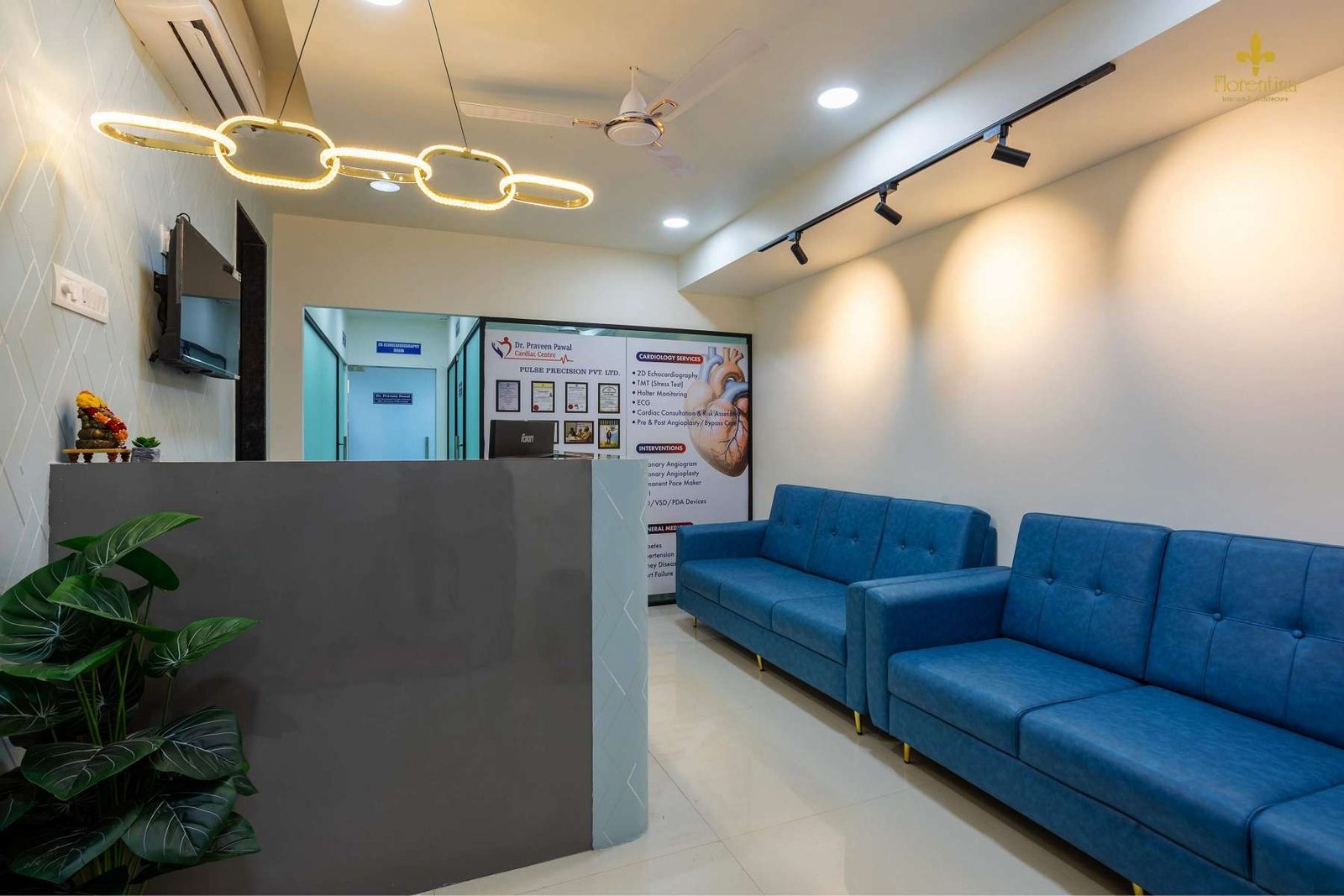
A well-designed workspace is more than just a desk, chair, and computer. The right environment can influence focus, creativity, comfort, and overall productivity. Whether you are designing a home office, corporate workplace, or a dedicated study area, thoughtful interior design can make the space both functional and inspiring.
At Florentina Interiors, we believe that an effective workspace should reflect the needs of the people using it while balancing aesthetics, comfort, and functionality. Here are some practical ideas to help you create a productive and inspiring workspace.
1. Start With Smart Space Planning
The foundation of a productive workspace is efficient space planning. Before selecting furniture or colours, consider how the room will be used and how people will move through it.
Place desks and workstations in positions that provide enough space for movement while keeping essential items easily accessible. In an office environment, consider whether the layout needs private workstations, collaborative areas, meeting spaces, or breakout zones.
A well-planned layout reduces unnecessary distractions and helps create a smooth workflow.
2. Make the Most of Natural Light
Natural light can make a workspace feel brighter, more open, and welcoming. Whenever possible, position desks near windows to maximise access to daylight.
If natural light is limited, combine ambient lighting with task lighting to create a comfortable working environment. Pendant lights, ceiling fixtures, desk lamps, and accent lighting can be incorporated according to the overall interior design.
Good lighting should minimise glare on computer screens while providing enough brightness for reading, writing, and other tasks.
3. Choose Comfortable and Ergonomic Furniture
Comfort should be a priority when designing a productive workspace. Employees or homeowners may spend several hours working at their desks, making ergonomic furniture an important investment.
Choose desks with suitable working heights and chairs that provide proper back and lumbar support. Adjustable chairs and thoughtfully designed workstations can improve comfort and encourage better posture.
Furniture should also match the available space. In smaller workspaces, multifunctional desks, built-in storage, and compact seating can help maximise functionality without making the room feel crowded.
4. Use Colours to Create the Right Atmosphere
Colour has a significant role in shaping the character of an interior. The ideal colour palette for a workspace depends on the purpose and personality of the environment.
Neutral shades can create a clean and professional appearance, while subtle blues and greens can introduce a calm atmosphere. Warmer tones or carefully selected accent colours can add energy and creativity.
Instead of using too many bold colours, create balance by combining neutral backgrounds with selected accent walls, furniture, artwork, or decorative elements.
5. Reduce Clutter With Smart Storage
A cluttered workspace can make it difficult to concentrate. Effective storage solutions help keep documents, equipment, stationery, and personal belongings organised.
Consider built-in cabinets, floating shelves, modular storage units, drawers, and concealed storage depending on the size and requirements of the workspace.
For a home office, storage can also be integrated into the overall interior design so that the workspace complements the rest of the home.
6. Bring Nature Into the Workspace
Adding natural elements can make a workspace feel more refreshing and inviting. Indoor plants are a simple way to introduce greenery, while wooden finishes, natural textures, and earthy materials can add warmth.
Biophilic-inspired design can also be incorporated through natural light, indoor plants, organic textures, and views of outdoor spaces.
These elements can help prevent the workspace from feeling overly formal or monotonous.
7. Create Areas for Collaboration and Creativity
Modern workplaces often require a combination of individual concentration and teamwork. Instead of creating a workspace where everyone remains at a fixed desk, consider adding dedicated collaboration zones.
A comfortable meeting corner, informal seating area, brainstorming wall, or small discussion zone can encourage communication and creativity.
For home offices, a flexible seating area can provide an alternative place for reading, planning, or creative work.
8. Add Personal and Inspiring Elements
A productive workspace should not feel completely generic. Personal touches can make the environment more engaging and motivating.
Artwork, inspirational quotes, photographs, decorative objects, plants, or brand elements can be incorporated without creating visual clutter. In commercial spaces, branding can also be integrated through colours, graphics, materials, and signage.
The goal is to create a space that feels purposeful while still reflecting personality.
9. Consider Acoustics
Noise can be a major distraction, particularly in busy offices or shared homes. Interior design can help manage unwanted sound through acoustic panels, carpets, curtains, upholstered furniture, partitions, and appropriate ceiling treatments.
For open-plan offices, creating quiet zones alongside collaborative areas can provide employees with different environments depending on the type of work they need to complete.
10. Design for Flexibility
Workspaces are constantly changing. Employees may work individually one day and collaborate with a team the next. Similarly, a home office may need to serve as a study area, meeting space, or creative room.
Flexible furniture, movable partitions, modular storage, and adaptable layouts can make the workspace easier to modify as requirements change.
Create a Workspace That Works for You
A productive and inspiring workspace comes from combining functionality, comfort, organisation, lighting, colour, and thoughtful aesthetics. Every detail—from the position of a desk to the choice of lighting and storage—can contribute to a better working experience.
If you are planning a home office, commercial office, or complete interior transformation in Pune, professional interior planning can help you make the most of your available space. Florentina Interiors focuses on creating functional and visually appealing environments tailored to individual requirements.
Whether your project is in Baner, Balewadi, Aundh, Hinjewadi, Wakad, Pashan, or other areas of Pune, thoughtful interior design can transform an ordinary workspace into an environment where people can focus, collaborate, and feel inspired.