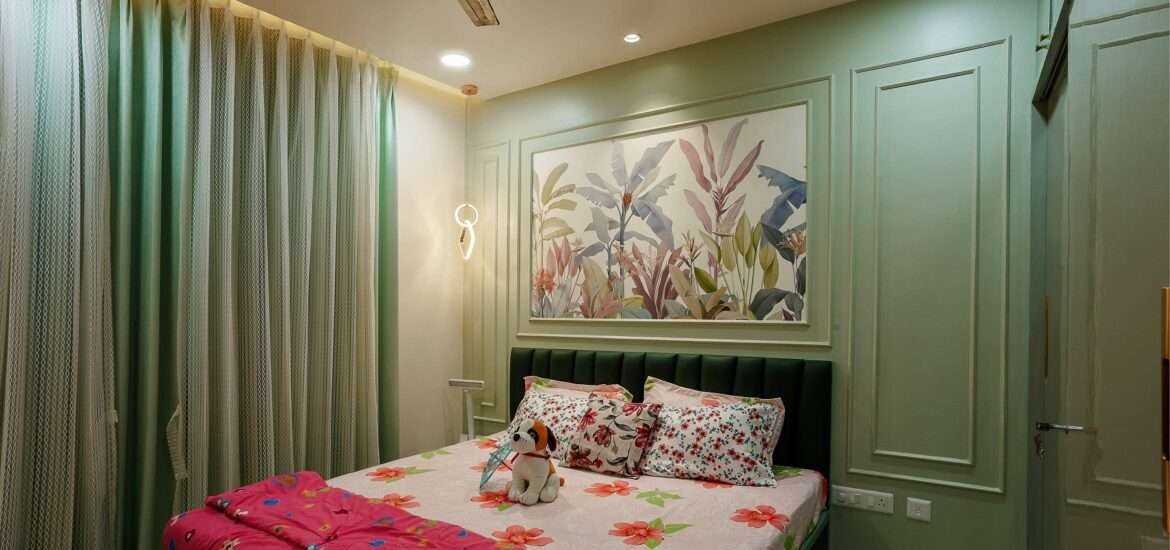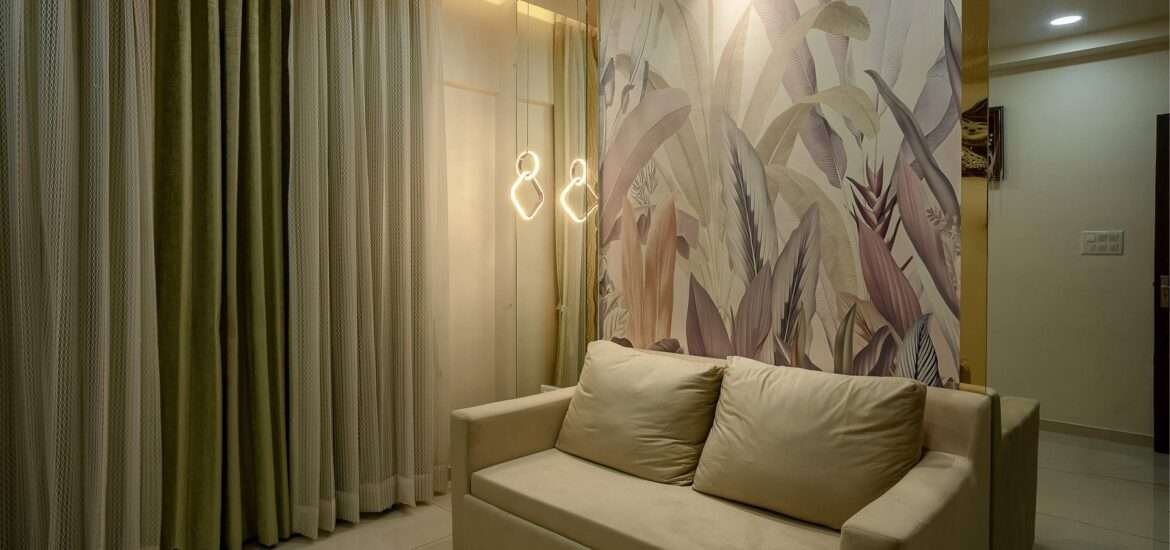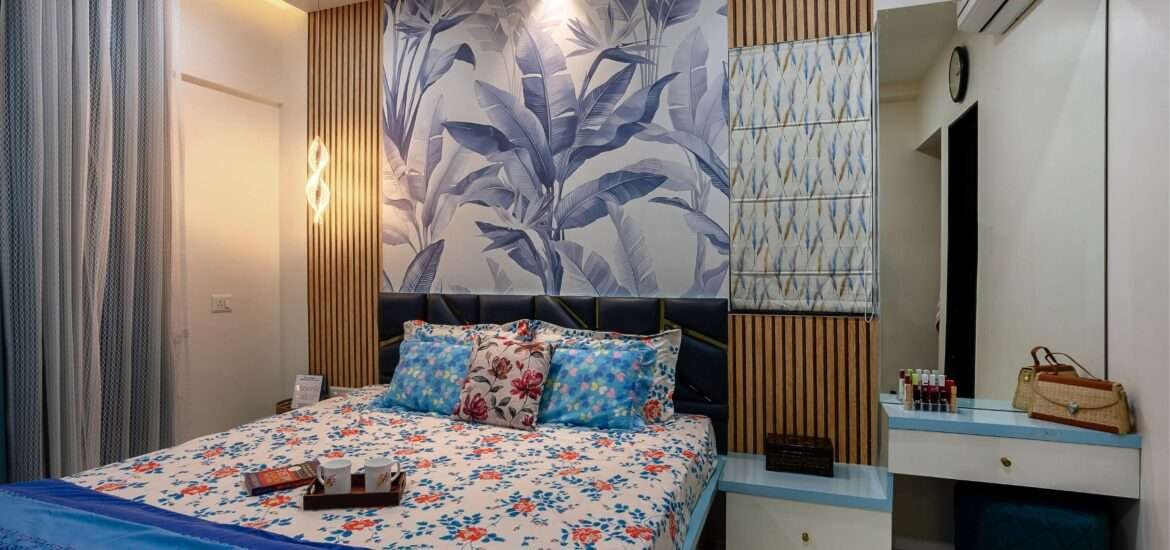
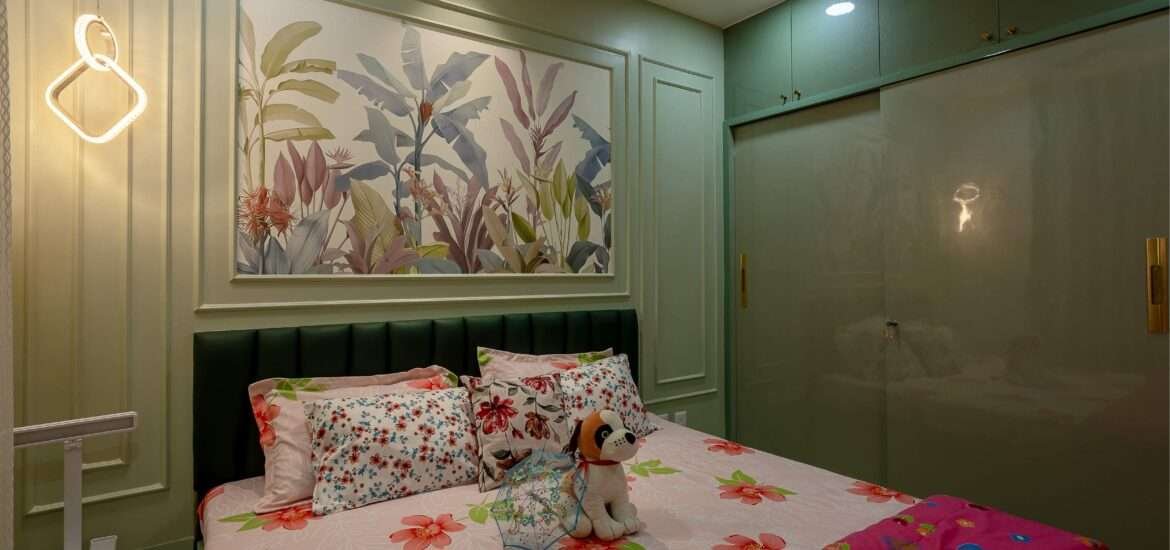
Bedroom Interior in Pune

How to Combine Functionality and Aesthetics in Home Design

A beautiful home should not only look impressive but also make everyday life easier. The best interiors are designed around both functionality and aesthetics, creating spaces that are comfortable, practical, organized, and visually appealing.

Whether you are designing a new apartment, renovating your existing home, or planning a complete interior transformation, balancing these two elements can make a significant difference. A well-designed home should support your lifestyle while reflecting your personality and design preferences.

At Florentina Interiors, we believe that effective interior design combines thoughtful planning, functionality, aesthetics, and personalized solutions to create harmonious living spaces.

What Is Functional and Aesthetic Home Design?

Functional design focuses on how effectively a space works for everyday activities. It considers furniture placement, storage, movement, lighting, electrical requirements, room layouts, and the specific needs of the people living in the home.

Aesthetic design focuses on the visual character of the space, including colours, textures, furniture styles, materials, lighting fixtures, décor, and overall design themes.

When these two aspects are planned together, a home can be both beautiful and practical.

1. Start With Smart Space Planning

The foundation of a functional and attractive home is proper space planning.

Before selecting furniture, colours, or decorative elements, consider how each room will be used. Identify the areas required for movement, storage, seating, work, entertainment, and other daily activities.

For example, a living room should have enough seating without becoming overcrowded. Similarly, a bedroom should provide comfortable furniture placement while maintaining sufficient walking space.

Good space planning helps create an interior that feels organized rather than visually cluttered.

2. Choose Furniture Based on Comfort and Style

Furniture plays an important role in combining functionality with aesthetics.

Instead of selecting furniture only because it looks attractive, consider its size, comfort, durability, storage capacity, and suitability for the room.

For compact homes, multifunctional furniture can be particularly useful. Storage beds, built-in seating, nesting tables, extendable dining tables, and modular furniture can provide practical benefits without compromising the overall design.

Choose furniture that complements your interior style while supporting the way you actually use the space.

3. Make Storage Part of the Design

Storage is one of the most important elements of functional home interiors.

Poorly planned storage can make even a beautifully designed home appear cluttered. Instead of adding storage as an afterthought, integrate it into the overall interior design.

Consider:

  • Built-in wardrobes

  • Modular kitchen cabinets

  • TV units with concealed storage

  • Full-height storage units

  • Under-bed storage

  • Floating shelves

  • Customized cabinets

Well-designed storage can keep everyday items organized while maintaining clean visual lines throughout the home.

4. Use Lighting to Improve Both Beauty and Function

Lighting can completely change the appearance and usability of an interior.

A successful lighting plan should combine different types of lighting depending on the purpose of each space.

Ambient lighting provides general illumination, while task lighting supports activities such as cooking, reading, studying, or working. Accent lighting can highlight artwork, architectural features, textured walls, or decorative elements.

Natural light should also be considered during the planning stage. Positioning furniture and selecting appropriate window treatments can help make better use of available daylight.

5. Select Materials That Look Good and Perform Well

Materials should be selected based on both appearance and practical performance.

For example, kitchen surfaces should not only complement the design but also be easy to clean and durable enough for everyday use. Similarly, flooring should suit the style of the home while being appropriate for the amount of traffic in each room.

When selecting materials, consider:

  • Durability

  • Maintenance requirements

  • Moisture resistance

  • Cleaning requirements

  • Texture

  • Colour

  • Overall visual appeal

The right materials can help create interiors that remain attractive and functional for years.

6. Create a Balanced Colour Palette

Colour is an important part of aesthetic interior design, but it can also influence how functional a space feels.

Light and neutral colours can make smaller rooms feel more open, while deeper shades can add warmth and character to larger spaces.

Instead of using too many colours, select a coordinated palette and introduce contrast through furniture, artwork, fabrics, lighting, or accessories.

A balanced colour scheme creates visual harmony without making the interior feel overwhelming.

7. Design Every Room Around Its Purpose

Each room should be designed according to the activities that take place there.

A modular kitchen requires efficient work zones and accessible storage. A bedroom should prioritize comfort and relaxation. A home office needs appropriate lighting, seating, storage, and electrical planning.

Understanding the purpose of each room allows you to make better design decisions while maintaining a consistent aesthetic throughout the home.

8. Keep Technology Integrated Into the Interior

Modern homes often require multiple electrical points, charging areas, entertainment systems, appliances, and smart-home devices.

Instead of allowing cables and devices to dominate the interior, technology can be integrated into the design.

Concealed wiring, built-in charging points, organized entertainment units, smart lighting, and automated systems can improve convenience while maintaining a clean and sophisticated appearance.

9. Add Personal Elements Without Creating Clutter

A home should reflect the personality of the people who live in it.

Artwork, photographs, plants, books, decorative accessories, statement furniture, and personal collections can add character to an interior.

However, personalization should be balanced. Too many decorative elements can make a space feel crowded.

Choose meaningful pieces and give them enough visual space so they can become part of the overall design rather than competing with it.

10. Think About Long-Term Functionality

A successful interior should work not only today but also as your lifestyle changes.

Think about future requirements when planning your home. Storage needs, family changes, work-from-home requirements, maintenance, and furniture flexibility can all influence long-term functionality.

Choosing timeless materials, adaptable furniture, and flexible layouts can help your interior remain useful and attractive for many years.

Common Mistakes to Avoid

When trying to combine functionality and aesthetics, homeowners often make a few common mistakes:

  • Choosing appearance over comfort

  • Buying furniture before measuring the space

  • Ignoring storage requirements

  • Using too many decorative elements

  • Selecting materials without considering maintenance

  • Overlooking lighting

  • Following trends without considering lifestyle

  • Creating beautiful layouts that restrict movement

The goal should not be to make every part of the home decorative. Instead, every design element should have a purpose while contributing to the overall visual character of the space.

Why Professional Interior Planning Matters

Combining functionality and aesthetics requires more than simply selecting attractive furniture and colours. It involves understanding space planning, materials, lighting, furniture proportions, storage, architecture, and the lifestyle of the homeowner.

Professional interior designers can help coordinate these elements from the initial concept through execution.

Florentina Interiors combines interior design with architectural principles to create spaces that are both functional and aesthetically pleasing. The company offers interior architectural designing, civil work and construction, and project management consultancy services. It also highlights personalized designs and 3D design as part of its approach.

Create a Home That Looks Good and Works Better

The best home interiors are not simply beautiful—they make everyday living more comfortable and convenient.

By combining smart space planning, functional furniture, integrated storage, appropriate lighting, durable materials, balanced colours, and personal design elements, you can create a home that works for your lifestyle while maintaining a sophisticated appearance.

Whether you are designing a new home or renovating an existing space, the right balance between functionality and aesthetics can transform an ordinary interior into a comfortable and personalized living environment.

Planning your home interiors in Pune? Florentina Interiors can help you create a thoughtfully designed space that combines functionality, aesthetics, and your personal style.
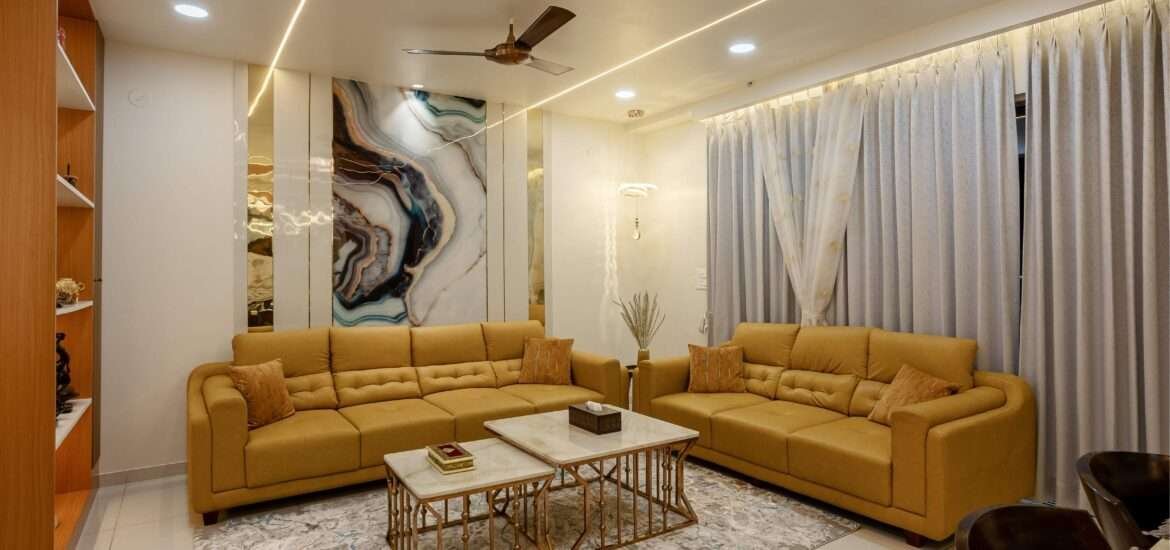


Living Room Design in Balewadi

How to Choose the Right Furniture Size for Your Living Space

Choosing furniture is about more than finding a style you love. The size of your furniture can significantly affect how comfortable, spacious, and functional your living room feels. A sofa that is too large can make a room feel cramped, while furniture that is too small may make a large space look empty and unbalanced.

The right furniture size should work with the dimensions of your room, allow comfortable movement, and complement the overall interior design. With thoughtful space planning, you can create a living room that feels stylish, comfortable, and practical.

At Florentina Interiors, we believe that furniture selection and space planning should work together to create interiors that are both aesthetically pleasing and functional.

Why Furniture Size Matters in Interior Design

Furniture is one of the most visually dominant elements in a living room. Its proportions influence the entire layout and determine how easily people can move around the space.

Choosing the right furniture size can help you:

  • Make better use of available floor space
  • Maintain comfortable walking areas
  • Create a balanced furniture arrangement
  • Improve the functionality of the room
  • Make a small room appear more spacious
  • Give a large room a more comfortable appearance
  • Create better visual harmony between furniture and décor

Before buying furniture, it is therefore important to understand your room dimensions and how you plan to use the space.

1. Measure Your Living Room First

The first step in choosing furniture is measuring the available space.

Measure the length and width of the room and note the position of doors, windows, balconies, electrical points, built-in storage, and other permanent features.

Do not measure only the open floor area. Consider the complete layout and identify areas that need to remain accessible.

For example, a large sofa may technically fit inside a room, but if it blocks a doorway or leaves very little space for movement, it may not be the right choice.

Create a simple floor plan and mark potential furniture positions before making a purchase.

2. Consider the Size of Your Sofa

The sofa is usually the focal point of a living room, so its size should be carefully considered.

For a compact living room, a streamlined two- or three-seater sofa may work better than a large sectional. In a larger living room, an L-shaped sofa or a combination of sofas and accent chairs can create a more comfortable seating arrangement.

When choosing a sofa, consider:

  • Room dimensions
  • Number of people using the space
  • Available wall length
  • Door and window positions
  • Walking space
  • Coffee table placement
  • Overall interior style

The goal is to select a sofa that provides enough seating without overwhelming the room.

3. Leave Enough Space for Movement

One of the most common furniture planning mistakes is filling a room with too many large pieces.

Your living room should have clear circulation paths so that people can comfortably move between the sofa, entrance, dining area, balcony, and other parts of the home.

Avoid placing furniture where it creates narrow or awkward pathways.

Instead, think about how people naturally move through the room and arrange furniture around those movement patterns.

Good space planning can make even a compact living room feel more open and comfortable.

4. Choose the Coffee Table According to the Sofa

A coffee table should be proportional to the sofa and the available seating area.

A table that is too large can make the seating arrangement feel crowded, while a very small table may look disconnected from the rest of the furniture.

Consider the distance between the sofa and coffee table as well as the available walking space around it.

Round or oval coffee tables can work particularly well in compact spaces because they reduce sharp corners and can make movement easier.

For larger rooms, a rectangular or larger centre table can help anchor the seating arrangement.

5. Select Accent Chairs Based on Available Space

Accent chairs are a great way to add additional seating and personality to a living room. However, they should not make the room feel overcrowded.

Before selecting an accent chair, check:

  • Its width
  • Seat depth
  • Overall height
  • Distance from the sofa
  • Space required for movement
  • Relationship with the coffee table

In smaller living rooms, lightweight chairs with a visually open design can help maintain a spacious appearance.

In larger rooms, two accent chairs can be positioned opposite or beside the sofa to create a more balanced conversation area.

6. Think About Furniture Proportion and Scale

Furniture should be proportional not only to the room but also to other elements within the space.

For example, placing a very large sectional next to a small coffee table can create a visual imbalance. Similarly, a tiny sofa against a large empty wall may make the room appear unfinished.

Try to create a relationship between:

  • Sofa size
  • Coffee table size
  • Side tables
  • TV unit
  • Rug dimensions
  • Lighting fixtures
  • Wall décor
  • Room height

A well-balanced combination creates a more cohesive and professionally designed appearance.

7. Choose Furniture According to Your Room Shape

Every living room has a different layout, and furniture should be selected accordingly.

Small Rectangular Living Room

Use compact seating and avoid filling both long walls with bulky furniture. A simple sofa, compact coffee table, and one or two accent pieces may be enough.

Square Living Room

A symmetrical seating arrangement can work particularly well. You can position a sofa opposite the TV unit and add chairs or additional seating to create a balanced layout.

Open-Plan Living Room

In an open-plan home, furniture can help visually define the living area. A sofa can act as a subtle divider between the living and dining spaces without completely closing the room.

Large Living Room

Large rooms can accommodate bigger sofas, sectional seating, accent chairs, larger rugs, and statement furniture. However, avoid spreading furniture too far apart, as this can make the room feel disconnected.

8. Don’t Forget the TV Unit and Storage

Furniture planning should include more than just seating.

If your living room includes a TV unit, display shelves, cabinets, or storage furniture, consider their dimensions before finalizing the seating arrangement.

A TV unit that is too large can dominate a small room. On the other hand, a very small unit may look disproportionate on a large wall.

Built-in storage and customized furniture can be useful when you want to make the best use of available space while maintaining a clean appearance.

9. Use a Rug to Connect the Furniture

A properly sized rug can visually connect different furniture pieces and make a living room feel more cohesive.

Ideally, the rug should relate to the seating arrangement rather than appearing like a small isolated decoration.

For larger living rooms, a larger rug can accommodate the front legs of sofas and chairs. In smaller spaces, choose a rug that fits comfortably within the seating zone without overwhelming the floor area.

10. Consider Ceiling Height and Vertical Proportion

Furniture size is not only about floor dimensions.

The height of your ceiling can also influence how furniture looks in the room.

Rooms with higher ceilings can accommodate taller storage units, larger artwork, statement lighting, and furniture with greater visual presence.

For rooms with lower ceilings, furniture with a lower profile can help maintain a more open appearance.

Using vertical elements such as tall curtains, wall-mounted storage, or appropriately scaled artwork can also improve the overall proportion of the space.

11. Don’t Buy Furniture Before Measuring Doorways

A surprisingly common problem is purchasing furniture that fits the living room but cannot easily enter the home.

Before ordering large furniture, measure:

  • Main entrance door
  • Internal doorways
  • Staircases
  • Lift dimensions
  • Passageways
  • Balcony or service entrances if relevant

Also check whether the furniture can be turned around corners or moved through narrow passages.

Proper planning can prevent unnecessary delivery and installation problems.

12. Consider Your Lifestyle

The ideal furniture size depends on how you actually use your living room.

A family that frequently entertains guests may need more seating, while someone living in a compact apartment may prioritize flexibility and open floor space.

Think about:

  • Number of family members
  • Frequency of entertaining guests
  • Children or pets
  • Need for storage
  • Work-from-home requirements
  • TV viewing habits
  • Preference for open space
  • Future furniture requirements

Furniture should support your lifestyle rather than simply fill the room.

Furniture Size Tips for Small Living Rooms

If you have a compact living room, a few simple decisions can make a significant difference.

Choose:

  • Compact sofas
  • Slim-profile furniture
  • Multi-functional pieces
  • Wall-mounted TV units
  • Furniture with built-in storage
  • Nesting tables
  • Lightweight accent chairs
  • Furniture with visible legs

Avoid using too many bulky pieces in one room.

A carefully planned layout can make a small living room feel comfortable without sacrificing style.

Furniture Size Tips for Large Living Rooms

Large living rooms require a different approach. Using only small furniture can make the room appear empty and disconnected.

Instead, consider:

  • Larger sectional sofas
  • Multiple seating zones
  • Larger coffee tables
  • Accent chairs
  • Statement lighting
  • Large area rugs
  • Decorative consoles
  • Larger artwork

Rather than pushing all furniture against the walls, consider creating a central seating arrangement. This can make a large room feel more inviting and balanced.

Common Furniture Sizing Mistakes to Avoid

Buying Without Measuring

Never rely only on visual judgment. Always measure the room and furniture before purchasing.

Choosing Oversized Furniture

Large furniture may look impressive in a showroom but can overwhelm a compact home.

Using Too Many Pieces

More furniture does not necessarily mean better design. Leave enough open space for comfortable movement.

Ignoring Door and Window Positions

Furniture should not obstruct important access points or natural light.

Choosing Furniture Individually

Each furniture piece should work with the rest of the room. Consider the complete layout rather than buying individual pieces separately.

Forgetting Future Requirements

Think about how your space may change over time. Flexible and multifunctional furniture can make future changes easier.

Create a Balanced Living Room With Professional Space Planning

Choosing the right furniture size is ultimately about finding the right balance between comfort, functionality, proportion, and aesthetics.

Before purchasing furniture, measure your room, consider circulation, understand your lifestyle, and visualize how every piece will work together. A thoughtful furniture layout can transform even a compact living room into a comfortable and stylish space.

Florentina Interiors combines interior design with architectural principles to create functional and personalized interiors. The company offers interior architectural designing, civil work and construction, and project management services, with a focus on customized solutions and space planning.

If you are planning a new living room or complete home interior in Pune, professional interior planning can help you select furniture, layouts, materials, and finishes that work together seamlessly.

Final Thoughts

The right furniture is not necessarily the biggest, most expensive, or most stylish piece available. It is the furniture that fits your room, supports your lifestyle, and works naturally with the rest of your interior.

By paying attention to measurements, proportions, circulation, room shape, and functionality, you can create a living space that feels spacious, comfortable, and visually balanced.

A well-planned living room should not simply look beautiful—it should make everyday living easier and more enjoyable.

Living Room Design in Aundh

Common Interior Design Mistakes Homeowners Should Avoid

Designing your home is an exciting process, but making the wrong decisions during the planning or execution stage can affect both the appearance and functionality of your space. From choosing furniture without measuring the room to overlooking storage and lighting, small design mistakes can become expensive problems later.

A well-designed home should be more than visually attractive. It should be comfortable, practical, easy to maintain, and suited to the lifestyle of the people living in it.

Whether you are designing a new apartment, renovating your existing home, or planning a complete residential interior, avoiding common mistakes can help you achieve better results while staying within your budget.

Here are some of the most common interior design mistakes homeowners should avoid.

1. Starting Without a Proper Plan

One of the biggest mistakes homeowners make is starting the interior work without a detailed plan.

Choosing furniture, paint colors, false ceilings, or decorative elements before finalizing the layout can create coordination problems later. Every room should be planned according to its purpose, dimensions, movement, storage requirements, lighting, and electrical needs.

Before execution begins, prepare a clear design plan that covers:

  • Furniture placement

  • Storage requirements

  • Lighting

  • Electrical points

  • Wall treatments

  • Flooring

  • Ceiling design

  • Material selection

  • Color combinations

Proper planning creates a strong foundation for the entire interior project.

2. Choosing Furniture Without Measuring the Space

A beautiful sofa or dining table may look perfect in a showroom but may not work well in your home.

Buying furniture without checking room dimensions can result in overcrowding, blocked pathways, or insufficient movement space. This is especially important in apartments and compact homes where every square foot matters.

Always measure the room before purchasing furniture. Consider not only the furniture dimensions but also the space required for doors, windows, walking paths, and everyday movement.

3. Ignoring Storage Requirements

Storage is one of the most important aspects of a functional home, yet it is often considered only after the main design has been finalized.

Insufficient storage can quickly make an otherwise beautiful home look cluttered.

Think about your actual storage requirements before designing wardrobes, kitchen cabinets, TV units, shoe racks, lofts, and other storage areas.

Customized storage solutions can help make better use of available space while keeping everyday items organized and easily accessible.

4. Focusing Too Much on Trends

Interior trends can provide great inspiration, but following every trend can make your home look outdated after a few years.

Instead of designing your entire home around a temporary trend, use timeless materials, practical layouts, and neutral foundations. Trendy elements can then be introduced through cushions, artwork, accessories, lighting, or other replaceable décor.

The goal should be to create a home that remains attractive and functional for years rather than designing only for the current season.

5. Choosing Colors Before Considering Lighting

Paint colors can look very different depending on natural and artificial lighting.

A shade that looks warm and attractive in a showroom may appear completely different inside your home.

Before finalizing colors, consider:

  • Natural sunlight

  • Room orientation

  • Artificial lighting

  • Ceiling height

  • Room size

  • Furniture and flooring colors

Testing color samples under different lighting conditions can help homeowners make more informed decisions.

6. Underestimating the Importance of Lighting

Good lighting can completely transform the appearance and functionality of an interior.

A common mistake is relying only on one central ceiling light. Different areas of the home often require different types of lighting.

A balanced lighting plan can include:

  • Ambient lighting

  • Task lighting

  • Accent lighting

  • Decorative lighting

  • Under-cabinet lighting

For example, kitchens need effective task lighting, bedrooms benefit from softer illumination, and living rooms can combine ambient and accent lighting to create a comfortable atmosphere.

7. Neglecting Electrical Planning

Electrical points are often finalized too late, which can result in extension boards, visible wires, or inconvenient switch locations.

Electrical planning should happen during the design stage rather than after furniture installation.

Consider the location of:

  • TV units

  • Bedside tables

  • Kitchen appliances

  • Workstations

  • Charging points

  • Washing machines

  • Refrigerators

  • Decorative lighting

  • Air conditioners

Planning these requirements early can make the finished interior cleaner and more convenient.

8. Selecting Materials Only Based on Appearance

A material may look beautiful but may not always be suitable for a particular room or lifestyle.

When selecting materials, consider durability, maintenance, moisture resistance, cleaning requirements, usage, and long-term performance.

For example, kitchen and bathroom materials need to handle moisture and frequent cleaning, while high-traffic areas require durable finishes.

Material selection should balance appearance, functionality, durability, and budget.

9. Forgetting About Everyday Functionality

One of the most common mistakes is designing a home that looks attractive in photographs but is difficult to use every day.

Ask yourself practical questions:

  • Can people move comfortably around the furniture?

  • Are frequently used items easy to access?

  • Is there enough storage?

  • Can the surfaces be cleaned easily?

  • Are switches and electrical points convenient?

  • Does the kitchen workflow make sense?

  • Is there enough space around the bed and wardrobe?

Good interior design should make everyday life easier, not more complicated.

10. Making Every Room Look Exactly the Same

A home should have visual harmony, but every room does not need to look identical.

Using exactly the same colors, furniture styles, wall treatments, and décor throughout the home can make the interiors feel repetitive.

Instead, maintain a consistent overall design language while giving each room its own character.

For example, the living room can have a sophisticated look, while the bedroom can focus more on comfort and relaxation.

11. Overcrowding the Interior With Décor

Too many decorative elements can make a room feel smaller and visually cluttered.

Instead of filling every empty wall or surface, select a few meaningful pieces that complement the overall design.

Artwork, mirrors, plants, rugs, cushions, and accessories should enhance the space rather than compete with one another.

Sometimes leaving some areas visually open can make a home feel more spacious and elegant.

12. Ignoring Maintenance and Cleaning

Interior design decisions should also consider how easy the space will be to maintain.

High-maintenance materials, difficult-to-clean surfaces, excessive open shelving, and delicate finishes may become inconvenient over time.

Before selecting a material or design feature, consider how often it will need cleaning and whether it fits your daily routine.

A practical home should remain beautiful even after years of regular use.

13. Trying to Save Money on Every Element

Budget control is important, but choosing the cheapest option for every part of an interior project can result in higher maintenance and replacement costs later.

Instead, divide your budget according to priorities.

It may be worth investing more in frequently used elements such as:

  • Kitchen hardware

  • Wardrobe fittings

  • Flooring

  • Lighting

  • Plumbing fixtures

  • Quality furniture

  • Durable surface materials

At the same time, decorative elements can often be selected according to the available budget.

The objective is not to spend the most, but to spend wisely.

14. Making Too Many Changes During Execution

Frequent design changes after construction or installation has started can increase costs and cause delays.

Changing layouts, materials, electrical points, furniture dimensions, or finishes at the last minute can affect other parts of the project.

This is why design approvals, material selection, measurements, and execution planning should be completed as early as possible.

A structured project management process can make coordination easier and help keep the project organized.

15. Choosing a Design Without Considering Your Lifestyle

Your home should be designed around the way you actually live.

A family with children may need durable finishes and additional storage. Someone who works from home may require a dedicated workspace. Frequent entertainers may need a larger and more flexible living area.

Instead of copying a design from social media or a showroom, consider your family’s daily habits, preferences, storage needs, and future requirements.

Personalized planning helps create an interior that feels natural and comfortable.

How Professional Interior Designers Can Help

Interior design involves much more than selecting furniture and colors. Space planning, material selection, lighting, storage, budgeting, civil work, and execution all need to work together.

A professional interior design team can help identify potential problems before execution begins and create solutions based on the home’s dimensions and the homeowner’s requirements.

Florentina Interiors provides interior architectural designing, civil work and construction, and project management consultancy, allowing different aspects of an interior project to be coordinated through one team.

The company also highlights personalized designs and 3D design as part of its approach, helping homeowners understand the proposed space before execution.

Final Thoughts

Avoiding common interior design mistakes can make a significant difference to the comfort, appearance, and long-term usability of your home.

Start with a proper plan, measure your space carefully, prioritize storage and functionality, select materials based on their purpose, and think about lighting and electrical requirements before execution. Most importantly, create a design that reflects your lifestyle rather than simply following temporary trends.

With thoughtful planning and professional guidance, homeowners can create interiors that are stylish, functional, comfortable, and built to last.

If you are planning a residential interior project in Pune, Florentina Interiors can help you transform your ideas into a thoughtfully planned and professionally executed home interior.

Bedroom Interior in Baner

How to Create a Luxury Look Without Overspending on Interiors

Luxury interiors are often associated with expensive furniture, premium materials, elaborate décor, and large budgets. However, creating a luxurious-looking home does not always require spending excessively. With thoughtful planning, the right materials, effective lighting, and carefully selected décor, you can achieve an elegant and sophisticated interior while keeping your budget under control.

The secret to affordable luxury is not adding more things to a room. It is choosing the right elements and using them effectively.

Whether you are designing a new apartment or renovating your existing home, these practical ideas can help you create a stylish and luxurious interior without overspending.

1. Start With a Well-Planned Layout

A luxury interior begins with good space planning.

Even expensive furniture and décor can look ordinary when a room is poorly arranged. A well-planned layout creates better movement, improves functionality, and makes the space feel more open and organized.

Before purchasing furniture or starting renovation work, consider:

  • Furniture placement

  • Walking space

  • Natural light

  • Storage requirements

  • Electrical points

  • Room proportions

  • Visual balance

Instead of filling every corner, allow enough open space around important furniture pieces. A clean and balanced layout can instantly make a room feel more premium.

2. Choose a Sophisticated Colour Palette

Colour has a major influence on how luxurious a room feels.

You do not need expensive wall finishes to create an elegant atmosphere. A carefully selected colour palette can make a significant difference.

Neutral shades such as:

  • Warm beige

  • Cream

  • Off-white

  • Taupe

  • Soft grey

  • Muted brown

can create a timeless foundation.

You can then introduce deeper shades through furniture, cushions, curtains, artwork, or decorative accessories.

The key is consistency. Using too many colours can make a room look visually crowded, while a coordinated palette creates a more refined appearance.

3. Invest in Lighting Instead of Excessive Décor

Lighting is one of the most effective ways to improve the appearance of an interior.

A room with beautiful furniture can still feel ordinary if the lighting is poor. Instead of spending heavily on decorative accessories, consider improving the lighting design.

Use a combination of:

  • Ambient lighting

  • Accent lighting

  • Pendant lights

  • Wall lights

  • Cove lighting

  • Under-cabinet lighting

  • Decorative lamps

Layered lighting can create depth and highlight important features of the room.

For example, accent lighting can be used to highlight artwork, textured walls, shelving, or architectural details.

4. Create One Strong Focal Point

You do not need to make every wall or piece of furniture luxurious.

Instead, choose one or two important features and make them the visual focus of the room.

A focal point could be:

  • A stylish TV wall

  • An elegant bed backdrop

  • A statement pendant light

  • A textured accent wall

  • A large artwork

  • A beautifully designed console

  • A distinctive dining area

When one element attracts attention, the entire room can appear more sophisticated without requiring expensive upgrades everywhere.

5. Use Materials Strategically

Luxury does not always mean choosing the most expensive material available.

The goal is to select materials that provide the right combination of appearance, durability, functionality, and cost.

For example, instead of using premium materials throughout the entire home, you can use a higher-end finish in a prominent area and more practical alternatives in less visible spaces.

Material selection should also consider maintenance and long-term durability. Choosing the right material for each application can help prevent unnecessary replacement and repair costs.

Florentina Interiors also emphasizes the importance of considering durability, functionality, maintenance, budget, and overall design compatibility when selecting interior materials.

6. Choose Furniture With Clean Designs

Furniture can strongly influence the overall character of a room.

You do not necessarily need designer furniture to achieve a luxury appearance. Well-proportioned furniture with clean lines and quality finishes can create a sophisticated look.

When selecting furniture, focus on:

  • Proportion

  • Comfort

  • Material quality

  • Colour coordination

  • Shape

  • Functionality

Avoid overcrowding the room with too many pieces. A few carefully selected furniture items can create a more premium appearance than a room filled with unnecessary décor.

7. Add Texture to Make the Space Feel Richer

Luxury interiors often have visual and physical depth created through different textures.

You can introduce texture without a major investment through:

  • Curtains

  • Cushions

  • Rugs

  • Upholstery

  • Wooden finishes

  • Wall panels

  • Soft furnishings

  • Decorative accessories

For example, combining smooth surfaces with wood, fabric, glass, or textured finishes can make a neutral room feel much more interesting.

The important thing is to create balance rather than using too many different textures.

8. Use Mirrors to Enhance the Space

Mirrors are a practical and relatively affordable way to make interiors feel brighter and more spacious.

A strategically placed mirror can reflect natural or artificial light and create the impression of greater depth.

Consider using mirrors in:

  • Living rooms

  • Entryways

  • Bedrooms

  • Dining areas

  • Narrow corridors

Instead of covering an entire wall, one large, well-positioned mirror can sometimes create a stronger visual effect.

9. Keep Storage Clean and Integrated

Clutter can make even an expensive interior look less luxurious.

Smart storage is therefore an important part of creating an elegant home.

Built-in wardrobes, modular storage, concealed cabinets, floating units, and multifunctional furniture can help keep everyday items organized.

When storage blends into the overall design, the room appears cleaner and more spacious.

This is particularly useful in apartments and compact homes where efficient use of space is essential.

10. Pay Attention to Small Details

Luxury is often created through small details rather than expensive additions.

Things such as:

  • Cabinet handles

  • Curtain rods

  • Switch plates

  • Door hardware

  • Cushion fabrics

  • Decorative objects

  • Artwork

  • Indoor plants

  • Table accessories

can influence the overall appearance of a room.

Instead of buying many decorative items, select a smaller number of pieces that complement the interior style.

11. Avoid Following Every Trend

One of the easiest ways to overspend on interiors is constantly changing the design according to new trends.

A timeless interior can remain attractive for years.

Choose a strong base with neutral colours, practical furniture, and quality finishes. Trends can then be introduced through easily replaceable elements such as cushions, artwork, lamps, curtains, or accessories.

This approach allows you to refresh the appearance of your home without undertaking another major renovation.

12. Prioritize the Areas That Matter Most

If your budget is limited, you do not have to upgrade every room equally.

Identify the areas that will have the biggest visual and functional impact.

For many homes, these may include:

  • Living room

  • Kitchen

  • Master bedroom

  • Entrance area

You can invest more in these key spaces while keeping secondary areas simpler.

This creates a better overall balance between appearance and budget.

13. Plan Your Budget Before Starting

Budget planning is essential when creating an affordable luxury interior.

Divide your budget into categories such as:

  • Civil work

  • Furniture

  • Storage

  • Lighting

  • Flooring

  • Kitchen

  • Paint and wall finishes

  • Soft furnishings

  • Décor

  • Installation and execution

A clear budget helps prevent unnecessary purchases and allows you to prioritize the elements that matter most.

Professional interior planning can also help identify where to invest and where cost-effective alternatives can be used.

Florentina Interiors provides interior architectural design, civil work and construction, and project management services, allowing different aspects of an interior project to be coordinated together.

14. Consider 3D Visualization Before Execution

One of the biggest advantages of planning an interior properly is being able to understand how the final space will look before execution begins.

3D visualization can help homeowners evaluate:

  • Furniture placement

  • Colour combinations

  • Materials

  • Lighting

  • Storage

  • Wall treatments

  • Overall proportions

This can reduce the risk of making expensive design changes later.

Florentina Interiors includes 3D design as part of its offering and focuses on personalized interior solutions.

Luxury Is About Planning, Not Just Price

A luxurious interior does not have to mean an expensive interior.

The most important elements are thoughtful planning, balanced proportions, appropriate lighting, coordinated colours, quality materials, smart storage, and carefully selected furniture and décor.

Instead of trying to make every element look expensive, focus on creating a space where every element works together.

With the right design approach, even a controlled budget can create a home that feels elegant, comfortable, functional, and refined.

Create Your Dream Interior With Florentina Interiors

Creating a luxury-looking home within a defined budget requires more than simply choosing attractive furniture. It requires proper space planning, material selection, visualization, budgeting, and professional execution.

Florentina Interiors combines interior architectural designing with civil work, construction, and project management to provide coordinated interior solutions. The company also focuses on personalized designs and practical planning for residential and commercial spaces.

If you are planning a stylish home interior in Pune, a well-planned design can help you achieve the luxury look you want while making thoughtful use of your budget.

Ready to transform your home? Contact Florentina Interiors to discuss your interior design requirements and create a space that combines elegance, functionality, and smart budgeting.

Living Room Design in Baner

How to Choose the Right Materials for Your Home Interior

Choosing the right materials is one of the most important decisions when designing a home interior. Materials influence not only the appearance of your home but also its durability, maintenance, comfort, and overall functionality. From flooring and kitchen cabinets to wardrobes, countertops, wall finishes, and furniture, every material should be selected according to the space and your lifestyle.

A beautiful interior can quickly lose its appeal if the materials are difficult to maintain or unsuitable for everyday use. Therefore, homeowners should consider quality, durability, budget, aesthetics, and practical requirements before making a final decision.

At Florentina Interiors, material selection is considered an important part of creating functional and personalized interiors. The company provides interior architectural designing, civil work, construction, and project management services, helping clients coordinate different aspects of their projects.

1. Start With Your Lifestyle and Requirements

Before selecting any material, think about how your home will be used. A family with children may need scratch-resistant and easy-to-clean surfaces, while homeowners looking for a luxurious appearance may prioritize premium finishes and natural materials.

Consider factors such as:

  • Number of family members
  • Frequency of use
  • Cleaning and maintenance requirements
  • Presence of children or pets
  • Available space
  • Expected lifespan of the interiors
  • Personal design preferences

Understanding your lifestyle makes it easier to choose materials that look attractive while remaining practical.

2. Choose Materials According to Each Room

There is no single material that works perfectly throughout an entire home. Different rooms have different functional requirements.

For example, kitchens require materials that can handle heat, moisture, stains, and frequent cleaning. Bathrooms require moisture-resistant surfaces, while bedrooms can focus more on comfort and visual appeal.

Living rooms often benefit from a combination of durable flooring, attractive wall finishes, comfortable furniture materials, and decorative elements.

Choosing materials according to the specific requirements of each room helps create interiors that are both stylish and long-lasting.

3. Select the Right Material for Kitchen Cabinets

Kitchen cabinets experience frequent use, making durability particularly important. Materials such as plywood, MDF, and other engineered boards can be considered depending on the application, budget, and required finish.

The surface finish is equally important. Laminates are popular because they are available in many colours, patterns, and textures and can be relatively easy to maintain. Acrylic and other premium finishes can provide a sleek and contemporary appearance.

When selecting kitchen materials, pay attention to moisture resistance, hardware compatibility, cleaning requirements, and the expected level of daily usage.

4. Consider Flooring Carefully

Flooring creates a strong visual foundation for your home. It also receives continuous foot traffic, so durability should be considered alongside appearance.

Popular choices include:

Vitrified Tiles

Vitrified tiles are commonly used in modern homes because they offer durability and a wide variety of finishes and designs.

Natural Stone

Materials such as marble and granite can create a premium appearance and bring natural character to interiors. They should, however, be selected with consideration for maintenance and the specific application.

Wooden Flooring

Wood and wood-look finishes can add warmth and comfort to bedrooms and living spaces. The appropriate product should be selected based on moisture exposure, maintenance, and usage.

The best flooring material depends on the room, lifestyle, budget, and overall design concept.

5. Choose Wardrobe Materials for Long-Term Use

Wardrobes should combine appearance, storage capacity, and durability. Since they are opened and closed regularly, the internal structure and hardware are just as important as the external finish.

A good wardrobe design considers:

  • Board quality
  • Surface finish
  • Hinges and channels
  • Internal storage configuration
  • Moisture exposure
  • Cleaning requirements
  • Available space

For compact homes, customized wardrobes can also help maximize vertical space and improve organization.

6. Think About Maintenance Before Choosing a Finish

A material may look beautiful in a showroom but may not be suitable for your lifestyle.

Before selecting a finish, ask:

Is it easy to clean?

Will it show fingerprints or dust easily?

Can it withstand everyday use?

Does it require special maintenance?

How will it perform after several years?

These questions can prevent homeowners from choosing materials based only on appearance.

Low-maintenance materials can be particularly useful in busy households where homeowners want attractive interiors without spending excessive time on cleaning and upkeep.

7. Balance Quality and Budget

Choosing the cheapest material is not always the most economical decision. Low-quality materials may require earlier replacement or repairs, increasing the overall cost over time.

At the same time, premium materials are not necessarily required for every element of a home.

A better approach is to divide your budget according to priorities. Invest more in areas that experience heavy usage, such as kitchen cabinets, wardrobes, flooring, hardware, and countertops, while using cost-effective finishes for elements where premium performance is less important.

This creates a practical balance between quality and overall project cost.

8. Match Materials With Your Interior Style

Materials should work together visually. A modern interior may use clean laminates, glass, metal accents, subtle textures, and contemporary lighting. A more traditional home may benefit from natural wood tones, stone finishes, detailed furniture, and warmer colours.

The objective is not to use the same material everywhere but to create visual harmony.

Combining too many unrelated textures, colours, and finishes can make a home look visually crowded. A professional designer can help coordinate materials so that each element contributes to a cohesive design.

9. Consider Sustainability

Sustainable materials are becoming increasingly relevant in modern interior design. Homeowners can consider responsibly sourced wood, recycled materials, low-impact finishes, and durable products that have a longer useful life.

Sustainability should also be considered from a practical perspective. A durable material that lasts longer can reduce the need for frequent replacement.

Florentina Interiors also highlights sustainable construction as part of its broader construction approach, reflecting the importance of responsible material and design decisions.

10. Check Material Samples Before Finalizing

Never select an important material based only on a catalogue image or small online photograph.

Request physical samples whenever possible and observe them under different lighting conditions. The colour and texture of a material can appear different in natural daylight compared with artificial lighting.

Compare samples for:

  • Colour
  • Texture
  • Thickness
  • Finish
  • Surface quality
  • Compatibility with other materials

This simple step can help avoid costly changes during execution.

11. Don’t Ignore Hardware and Finishing Details

Materials are only one part of a successful interior. Hardware, hinges, drawer channels, handles, edge finishes, adhesives, and installation quality can significantly affect the final result.

For example, premium-looking cabinetry can still perform poorly if the hinges or drawer mechanisms are of inadequate quality.

Therefore, material selection should always be considered together with workmanship and installation.

12. Work With an Experienced Interior Designer

Selecting materials for an entire home can become overwhelming because there are hundreds of combinations available. An experienced interior designer can help compare options based on design requirements, functionality, budget, and long-term maintenance.

Florentina Interiors works across residential and commercial projects and provides design and execution services. Its project management consultancy also includes material and fixture procurement, vendor and contractor management, cost management, and quality control.

This type of coordinated approach can make material selection and project execution more organized.

Why the Right Materials Matter

The right materials can make your home:

  • More durable
  • Easier to maintain
  • More comfortable
  • Visually cohesive
  • More functional
  • Better suited to your lifestyle
  • More valuable over the long term

Interior design is not simply about selecting beautiful colours and furniture. Every material contributes to the performance and character of your home.

Create a Beautiful and Functional Home With Florentina Interiors

Choosing the right materials becomes much easier when design, budget, functionality, and execution are considered together. From flooring and kitchen finishes to wardrobes, wall treatments, furniture, and decorative elements, every choice should contribute to the overall design vision.

Florentina Interiors combines interior design and architectural principles to create functional and aesthetically pleasing spaces. The company offers interior architectural designing, civil work, construction, and project management services, providing homeowners with a coordinated approach to their interior projects.

Whether you are designing a new apartment, renovating your existing home, or creating a customized interior in Pune, thoughtful material selection can help you achieve a space that looks beautiful today and remains practical for years to come.

Conclusion

Choosing the right materials for your home interior requires more than selecting what looks attractive. You need to consider durability, maintenance, functionality, budget, sustainability, and compatibility with your overall design.

By understanding the requirements of each room and taking professional guidance when needed, you can make informed decisions and avoid unnecessary expenses. The right combination of materials can transform an ordinary space into a comfortable, stylish, and long-lasting home.

1 2 3 5