
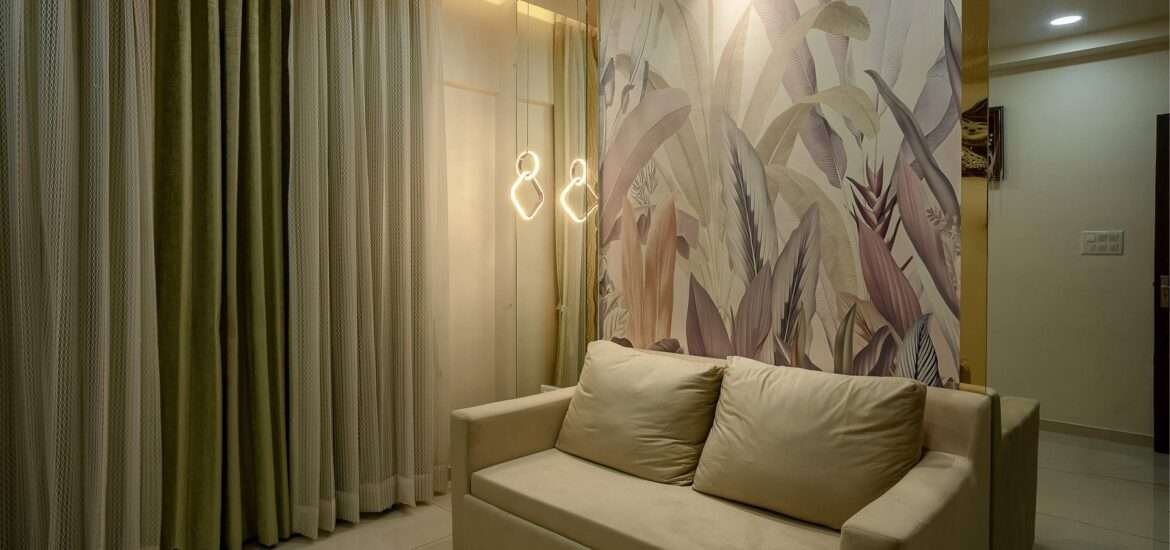
Choosing the right materials is one of the most important decisions when designing a home interior. Materials influence not only the appearance of your home but also its durability, maintenance, comfort, and overall functionality. From flooring and kitchen cabinets to wardrobes, countertops, wall finishes, and furniture, every material should be selected according to the space and your lifestyle.
A beautiful interior can quickly lose its appeal if the materials are difficult to maintain or unsuitable for everyday use. Therefore, homeowners should consider quality, durability, budget, aesthetics, and practical requirements before making a final decision.
At Florentina Interiors, material selection is considered an important part of creating functional and personalized interiors. The company provides interior architectural designing, civil work, construction, and project management services, helping clients coordinate different aspects of their projects.
1. Start With Your Lifestyle and Requirements
Before selecting any material, think about how your home will be used. A family with children may need scratch-resistant and easy-to-clean surfaces, while homeowners looking for a luxurious appearance may prioritize premium finishes and natural materials.
Consider factors such as:
- Number of family members
- Frequency of use
- Cleaning and maintenance requirements
- Presence of children or pets
- Available space
- Expected lifespan of the interiors
- Personal design preferences
Understanding your lifestyle makes it easier to choose materials that look attractive while remaining practical.
2. Choose Materials According to Each Room
There is no single material that works perfectly throughout an entire home. Different rooms have different functional requirements.
For example, kitchens require materials that can handle heat, moisture, stains, and frequent cleaning. Bathrooms require moisture-resistant surfaces, while bedrooms can focus more on comfort and visual appeal.
Living rooms often benefit from a combination of durable flooring, attractive wall finishes, comfortable furniture materials, and decorative elements.
Choosing materials according to the specific requirements of each room helps create interiors that are both stylish and long-lasting.
3. Select the Right Material for Kitchen Cabinets
Kitchen cabinets experience frequent use, making durability particularly important. Materials such as plywood, MDF, and other engineered boards can be considered depending on the application, budget, and required finish.
The surface finish is equally important. Laminates are popular because they are available in many colours, patterns, and textures and can be relatively easy to maintain. Acrylic and other premium finishes can provide a sleek and contemporary appearance.
When selecting kitchen materials, pay attention to moisture resistance, hardware compatibility, cleaning requirements, and the expected level of daily usage.
4. Consider Flooring Carefully
Flooring creates a strong visual foundation for your home. It also receives continuous foot traffic, so durability should be considered alongside appearance.
Popular choices include:
Vitrified Tiles
Vitrified tiles are commonly used in modern homes because they offer durability and a wide variety of finishes and designs.
Natural Stone
Materials such as marble and granite can create a premium appearance and bring natural character to interiors. They should, however, be selected with consideration for maintenance and the specific application.
Wooden Flooring
Wood and wood-look finishes can add warmth and comfort to bedrooms and living spaces. The appropriate product should be selected based on moisture exposure, maintenance, and usage.
The best flooring material depends on the room, lifestyle, budget, and overall design concept.
5. Choose Wardrobe Materials for Long-Term Use
Wardrobes should combine appearance, storage capacity, and durability. Since they are opened and closed regularly, the internal structure and hardware are just as important as the external finish.
A good wardrobe design considers:
- Board quality
- Surface finish
- Hinges and channels
- Internal storage configuration
- Moisture exposure
- Cleaning requirements
- Available space
For compact homes, customized wardrobes can also help maximize vertical space and improve organization.
6. Think About Maintenance Before Choosing a Finish
A material may look beautiful in a showroom but may not be suitable for your lifestyle.
Before selecting a finish, ask:
Is it easy to clean?
Will it show fingerprints or dust easily?
Can it withstand everyday use?
Does it require special maintenance?
How will it perform after several years?
These questions can prevent homeowners from choosing materials based only on appearance.
Low-maintenance materials can be particularly useful in busy households where homeowners want attractive interiors without spending excessive time on cleaning and upkeep.
7. Balance Quality and Budget
Choosing the cheapest material is not always the most economical decision. Low-quality materials may require earlier replacement or repairs, increasing the overall cost over time.
At the same time, premium materials are not necessarily required for every element of a home.
A better approach is to divide your budget according to priorities. Invest more in areas that experience heavy usage, such as kitchen cabinets, wardrobes, flooring, hardware, and countertops, while using cost-effective finishes for elements where premium performance is less important.
This creates a practical balance between quality and overall project cost.
8. Match Materials With Your Interior Style
Materials should work together visually. A modern interior may use clean laminates, glass, metal accents, subtle textures, and contemporary lighting. A more traditional home may benefit from natural wood tones, stone finishes, detailed furniture, and warmer colours.
The objective is not to use the same material everywhere but to create visual harmony.
Combining too many unrelated textures, colours, and finishes can make a home look visually crowded. A professional designer can help coordinate materials so that each element contributes to a cohesive design.
9. Consider Sustainability
Sustainable materials are becoming increasingly relevant in modern interior design. Homeowners can consider responsibly sourced wood, recycled materials, low-impact finishes, and durable products that have a longer useful life.
Sustainability should also be considered from a practical perspective. A durable material that lasts longer can reduce the need for frequent replacement.
Florentina Interiors also highlights sustainable construction as part of its broader construction approach, reflecting the importance of responsible material and design decisions.
10. Check Material Samples Before Finalizing
Never select an important material based only on a catalogue image or small online photograph.
Request physical samples whenever possible and observe them under different lighting conditions. The colour and texture of a material can appear different in natural daylight compared with artificial lighting.
Compare samples for:
- Colour
- Texture
- Thickness
- Finish
- Surface quality
- Compatibility with other materials
This simple step can help avoid costly changes during execution.
11. Don’t Ignore Hardware and Finishing Details
Materials are only one part of a successful interior. Hardware, hinges, drawer channels, handles, edge finishes, adhesives, and installation quality can significantly affect the final result.
For example, premium-looking cabinetry can still perform poorly if the hinges or drawer mechanisms are of inadequate quality.
Therefore, material selection should always be considered together with workmanship and installation.
12. Work With an Experienced Interior Designer
Selecting materials for an entire home can become overwhelming because there are hundreds of combinations available. An experienced interior designer can help compare options based on design requirements, functionality, budget, and long-term maintenance.
Florentina Interiors works across residential and commercial projects and provides design and execution services. Its project management consultancy also includes material and fixture procurement, vendor and contractor management, cost management, and quality control.
This type of coordinated approach can make material selection and project execution more organized.
Why the Right Materials Matter
The right materials can make your home:
- More durable
- Easier to maintain
- More comfortable
- Visually cohesive
- More functional
- Better suited to your lifestyle
- More valuable over the long term
Interior design is not simply about selecting beautiful colours and furniture. Every material contributes to the performance and character of your home.
Create a Beautiful and Functional Home With Florentina Interiors
Choosing the right materials becomes much easier when design, budget, functionality, and execution are considered together. From flooring and kitchen finishes to wardrobes, wall treatments, furniture, and decorative elements, every choice should contribute to the overall design vision.
Florentina Interiors combines interior design and architectural principles to create functional and aesthetically pleasing spaces. The company offers interior architectural designing, civil work, construction, and project management services, providing homeowners with a coordinated approach to their interior projects.
Whether you are designing a new apartment, renovating your existing home, or creating a customized interior in Pune, thoughtful material selection can help you achieve a space that looks beautiful today and remains practical for years to come.
Conclusion
Choosing the right materials for your home interior requires more than selecting what looks attractive. You need to consider durability, maintenance, functionality, budget, sustainability, and compatibility with your overall design.
By understanding the requirements of each room and taking professional guidance when needed, you can make informed decisions and avoid unnecessary expenses. The right combination of materials can transform an ordinary space into a comfortable, stylish, and long-lasting home.